How to find a silver lining in a tragedy

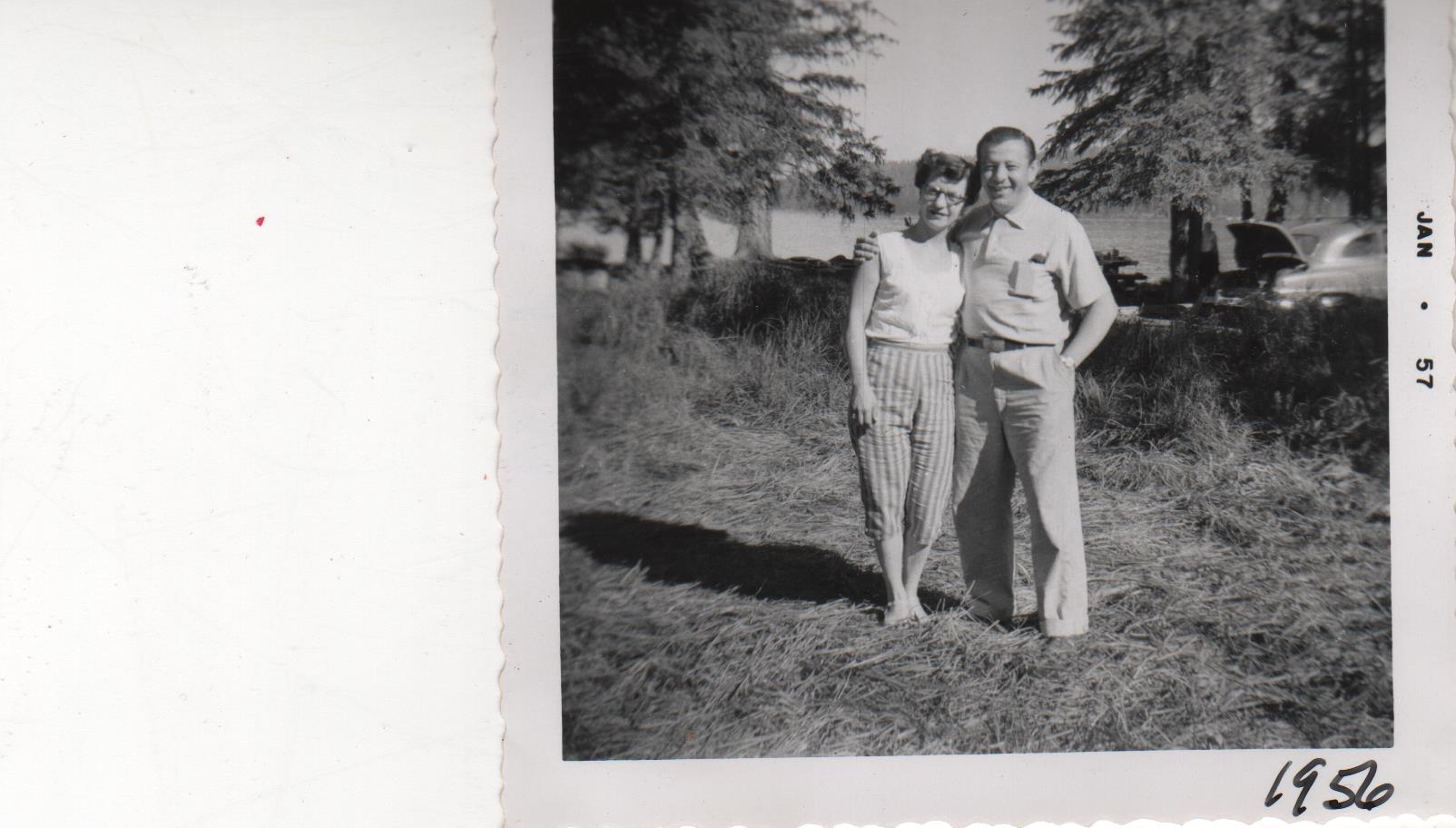
mom and dad

I want to tell you a story. It’s true. It starts out badly but ends, I hope, by putting a smile on your face.

It puts one on my face whenever I think of it.

***

The phone rang at my office desk on a Monday morning 35 years ago. The voice on the other end belonged to a colleague of my father. His name was Ray; I can’t remember his last name.

He got right to the point: Your dad was out fishing last night with some friends. Their boat crashed … and your dad was killed.

Who expects to get that kind of news? Not me. At that very moment — as God is with me — I could sense my body turning numb. It started from the top and worked its way down.

I hung up. I collected myself. I asked one of my colleagues at the newspaper where I worked to meet me in a conference room. I told him what I had just heard and said I had to go home. Dave Peters gave me some words of comfort, which I appreciated very much.

I called my wife and gave her the news.

Then I drove home. Our young sons were at school. I called one of my sisters and delivered the news to her. She — or perhaps it was her husband — telephoned our other sister to tell her.

To this very day I can retrace the steps I took over the next several hours. My grief was unlike any I’d ever experienced. My dad was the first member of my immediate family to die. That he would leave us so suddenly was, all by itself, enough to shock every bodily sense I possessed.

Then came the most difficult task of all: How am I going to tell my mother? My wife drove us to my parents’ home in suburban Portland, Ore. I was paralyzed — quite literally — with the fear of giving her this news.

We pulled into her driveway. We sat there for a moment. I took several deep breaths and then, just as Scripture informs us, I was swept up by that “peace that surpasses all understanding.” God himself put his hand on me and said, “It’s OK. I’m with you.”

I told Mom. I sought to comfort her. It was the most difficult moment of my life.

Dad was missing. They didn’t find him for eight days. I flew to the place just north of Vancouver, British Columbia, where he had gone fishing on a business trip with clients. No luck. After two nights, I came home. The Royal Canadian Mounted Police called us a few days later to tell us they found him.

We had a funeral and we entombed Dad in a crypt. Mom had asked us to purchase a spot next to him for when she would die. That day came four years later.

All of us were in shock at what happened.

But as we were preparing for the funeral, we had gathered at Mom’s house; my wife, my sisters, our children and an assortment of aunts and uncles were there.

And here is where it gets a bit brighter.

***

Earlier that year, in March 1980, my wife and I borrowed my father’s car for a trip we took from Portland to San Jose, Calif., to see the younger of my two sisters. En route, in Medford, Ore., I hit some back ice on the highway, skidded out of control and crashed the car into a vehicle parked on the shoulder.

Two young men dived into a ditch to avoid being hit. No one was injured seriously. My wife was bruised a bit; I had a cut lip; the older of our sons suffered a cut; our younger son was unhurt.

We took the car to a mechanic and then purchased bus tickets for the rest of the trip. We would pick the car up after we returned home.

We got back home. The auto body shop called and said the car was ready. My father-in-law and I drove from Portland to Medford to pick it up.

I delivered it to Dad.

All was good, yes? Not even close.

The car had flaws in the repair. This thing was wrong with it. Dad had me fix it. Something else was wrong with it.  Dad had me fix that.

Dad was the kind of guy you could depend on when the chips were down. I called him to tell him the car was damaged and he was the absolute champion of coolness. “We’ll just get it fixed. Don’t worry,” he told me. Little did I know what was to come …

You see, Dad also was a nitpicking perfectionist who was the very embodiment of obsessive compulsive disorder.

He drove me nuts trying to get that car repaired to his satisfaction.

Then came the morning of Sept. 8, 1980 and the phone call that changed everything.

As we gathered at Mom’s house, I sat on the brick flower box on my parents’ front porch.

I turned to one of my sisters and said: “You know, it just occurs to me. I’m never again going to hear a single thing about that f****** car.”

We laughed until our guts hurt.

I became convinced at that very moment that every tragedy that comes your way comes with a shining, silver lining.

I love you, Dad.
 

Kim Davis proves the Founders got it right

huck

Here’s the latest social media missive from former Labor Secretary Robert Reich.

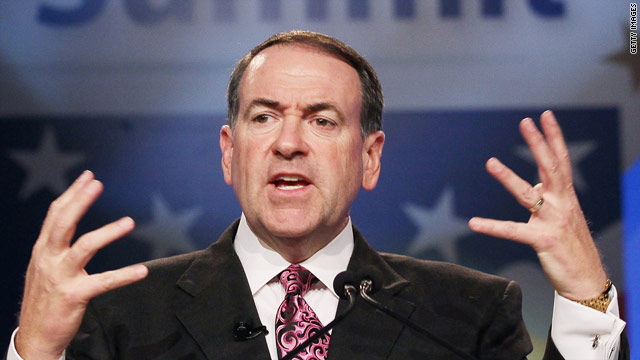
“This morning, on ABC’s ‘This Week,’ Mike Huckabee said Kim Davis’ refusal to issue marriage licenses to same-sex couples is equivalent to Abraham Lincoln’s refusal to accept slavery, which was the law of the land when Lincoln became president. ‘You obey it if it’s right,’ Huckabee said, arguing that Davis shouldn’t be jailed. ‘Should Lincoln have been put in jail? Because he ignored the law?’

“So if Kim Davis who opposes gay marriage can refuse to issue a perfectly legal marriage license, a Quaker clerk who’s a pacifist can refuse to issue gun licenses, a clerk who’s a committed environmentalist can refuse to issue building permits, and a clerk who believes in a $15 minimum wage can refuse to issue Walmart a permit to build a new store. What planet does Huckabee live on?

“Here’s a man who was governor of Arkansas and wants to be president of the United States, and he compared Kim Davis to Abraham Lincoln? Sometimes I’m flabbergasted.”

Me, too, Mr. Secretary.

I’ll just add that the Kim Davis gay marriage license debate has demonstrated precisely why the Founding Fathers got it exactly right when they wrote a secular document — the U.S. Constitution — that would become the framework for the federal government.


Show us the money, Donald

o-TOM-BROKAW-facebook

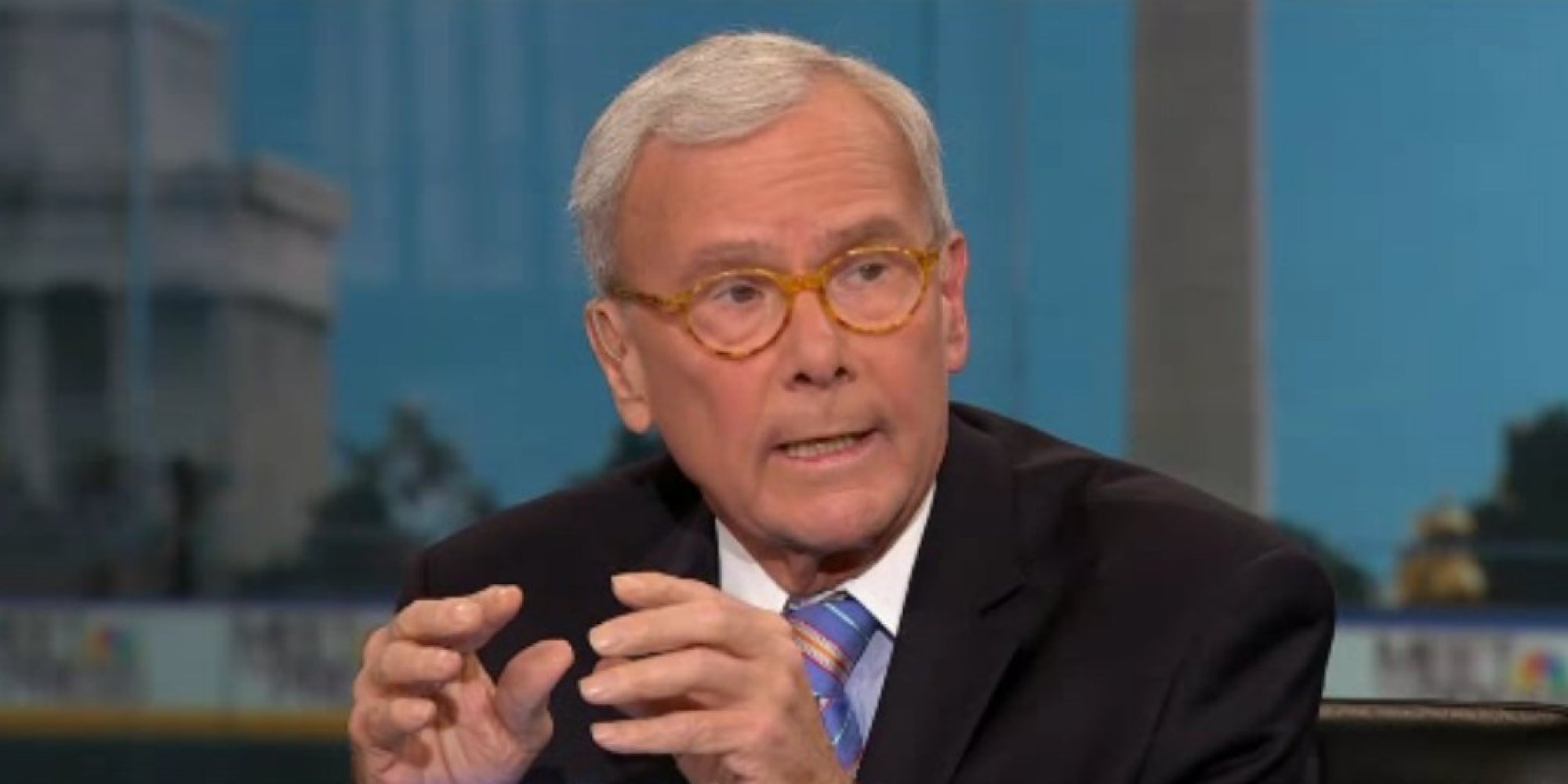
Tom Brokaw had it exactly right this morning while discussing the appeal of Donald Trump’s presidential candidacy among Republican voters.

The time for “bombast” is over, said the veteran NBC-TV newsman during a discussion on “Meet the Press.” Trump needs to provide detail, he said.

For example, according to Brokaw, Trump needs to explain specifically how much it’s going to cost the country to deport 11 million illegal immigrants.

Then he said that as a successful real estate mogul, “He’d throw someone out of his office” if an individual came to him with a great real estate deal — but had no numbers to back it up.

Republican voters, Brokaw believes, might be ready to demand that Trump “show us the money.”


Powell endorses Iran nuclear deal

colin-powell

In another era, an endorsement of a controversial foreign policy agreement by Colin Powell might carry some weight among other members of Powell’s political party.

It won’t this time. In fact, and you might have to wait for it, you well could hear someone suggest that Powell’s endorsement doesn’t matter at all because he endorsed Barack Obama’s two successful elections as president of the United States.

Does it matter, though, that the former secretary of state remains a loyal Republican? Oh … maybe. Then again, maybe not.

Powell said today on “Meet the Press”: “The great concern from the opposition is that we’re leaving open a lane for Iran to create a nuclear weapon in 10 to 15 years. The reality is that they have been on a super highway for the last 10 years to create a nuclear weapon … with no speed limit.”

He said he’s studied the deal in detail, pored over it thoroughly and has concluded that this agreement is better than what we had before, which was nothing.

The retired four-star U.S. Army general and former chairman of the Joint Chiefs of Staff, calls the agreement brokered by the Obama administration a “pretty good deal.”

It’s not perfect, he said. But he’ll settle gladly for a diplomatic solution over a military one.

Given that he’s endured combat — serving two tours of duty as an infantry officer during the Vietnam War — I’ll accept his endorsement.

Lower gas prices: more positive than negative

gascosts

Did you see what I saw this morning while driving to one of my four part-time jobs?

The price of regular unleaded gasoline has dipped to less than $2 per gallon in Amarillo.

Good news, yes? Well, I think so.

Motorists such as my wife and me do not enjoying shelling out big bucks for gasoline. Our Prius hybrid has more than paid for itself in fuel efficiency. We’ll keep for as long as we possibly can. Heck, it might live me.

But I get the downside of the lower prices, particularly in states — such as Texas — that rely on oil revenues to fund things such as, oh, state government.

State Rep. Four Price, an Amarillo Republican, told the Rotary Club of Amarillo the other day that the next Texas Legislature is likely to receive some not-so-cheery news from the comptroller’s office when it convenes in January 2017. It will be that oil revenue will be down sharply from the current budget cycle and that the state likely will not have the projected revenue surplus it got when the 2015 Legislature convened.

Gas prices plummet

I get that. I also understand that $100-per-barrel oil is more profitable to pump than, say, $42-per-barrel crude — which is about what it’s drawing these days.

But you know what? I am not going to waste too much emotional energy worrying about those ancillary effects when my household is getting a significant break in its weekly expense obligation.


JFK speech worth revisiting

Church_State

Man, I do love the Internet.

Most of the time, anyway.

I love it particularly when I’m able to find resources that remind me of where we’ve traveled and give me a clue of where we might be headed.

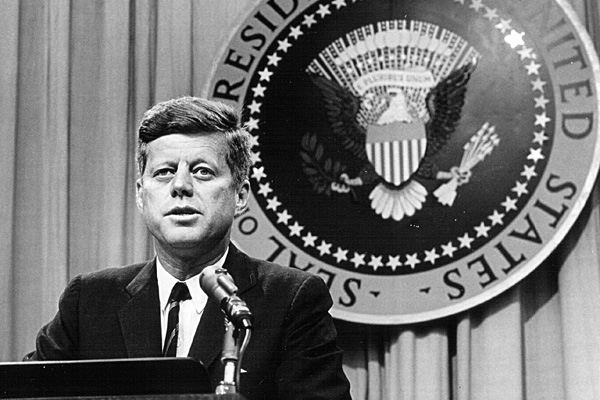
While working on an earlier blog post about the rogue Kentucky county clerk who’s in jail for refusing to do her job, I found a speech delivered in Houston on Sept. 12, 1960 by then-U.S. Sen. John Kennedy.

He was running for president and he wanted to clear the air over questions about his loyalties should he win the election later that year. He did so with typical JFK eloquence.

I encourage you to read it. Here it is:

JFK speech

But he spoke as well to a grander vision. He spoke to the need to get past notions that our government must adhere to certain religious doctrine.

He said: “I believe in an America where the separation of church and state is absolute, where no Catholic prelate would tell the president (should he be Catholic) how to act, and no Protestant minister would tell his parishioners for whom to vote; where no church or church school is granted any public funds or political preference; and where no man is denied public office merely because his religion differs from the president who might appoint him or the people who might elect him.

“I believe in an America that is officially neither Catholic, Protestant nor Jewish; where no public official either requests or accepts instructions on public policy from the Pope, the National Council of Churches or any other ecclesiastical source; where no religious body seeks to impose its will directly or indirectly upon the general populace or the public acts of its officials; and where religious liberty is so indivisible that an act against one church is treated as an act against all.”

He said that the “separation of church and state is absolute.” Imagine that. Some so-called “strict constructionists” — even some in the media — keep yammering that the Constitution doesn’t declare there to be a separation and that, therefore, the separation doesn’t exist.

Well, it does exist. It exists in the very First Amendment which declares two things about religion: that no citizen shall be deprived of his or her religious freedom and that Congress “shall make no law respecting an establishment of religion.”

The implication is as clear as it can be: We must keep religion out of government and, thus, we must keep them separate.

Sen. Kennedy sought to quell the concerns of those who worried about what might happen were we to elect a Roman Catholic as president. He went much further in seeking a time when a candidate’s religion is of zero consequence.

The individual who wins an election takes an oath and pledges loyalty to the U.S. Constitution and to the laws of the land.

That’s how it’s been in this country since its founding.


One’s own words taste badly

donald-trump

Have you ever noticed that the taste of your own words is, well, quite bitter?

You want to spit them back. But you can’t. You have to ingest them and they sit in the pit of your stomach like the proverbial rock.

I’m having to do some of that these days as I look upon the Republican Party presidential field and wonder: How is it that Donald Trump remains such a commanding figure in that field?

I made a prediction earlier this summer that I am now having to choke down.

  • I said Trump’s campaign had ended effectively after he denigrated John McCain’s Vietnam War service and the heroism he demonstrated while being held as a prisoner of war for more than five years.

“I like people who aren’t captured, OK?” Trump said.

It was tasteless.

What happened then? His poll numbers went up!

  • Then came the GOP joint appearance with nine other candidates. Fox News’s Megyn Kelly asked Trump to react to suggestions that he is anti-woman, that he’s made highly offensive remarks about women, calling them all kinds of unflattering names. “Only Rosie O’Donnell,” Trump said.

After the event, he went after Kelly, demanding she apologize to him. For what?  For asking a perfectly legitimate question?

That would doom his candidacy, or so I thought. Silly me. His poll standing went up even more.

  • He held a rally and started criticizing a close aide of Hillary Clinton and called her husband — former U.S. Rep. Anthony Weiner — a “perv” and a “world-class sleazebag.” Yes, Weiner — aka “Carlos Danger” — who sent images of his manhood to women other than his wife behaved in a disgusting manner.
  • Then he stumbled over a question from well-regarded conservative talk show host Hugh Hewitt about the leader of a terrorist organization. He then accused Hewitt of tossing a “gotcha” question at him and went on TV the next morning to call Hewitt a “third-rate radio announcer.”

At every turn, Trump’s answers to problems have been shallow, callow and hollow. He has presented nothing — not a single thing — of substance.

But his poll numbers? They keep going up.

Yep, this might be the year when conventional wisdom — which usually requires some actual seriousness from candidates for the presidency of the United States is tossed aside.

That means folks like yours truly are going to choke on their own words. I’m tellin’ ya, they don’t go down well … at all.


Non-pols fare best among GOP faithful

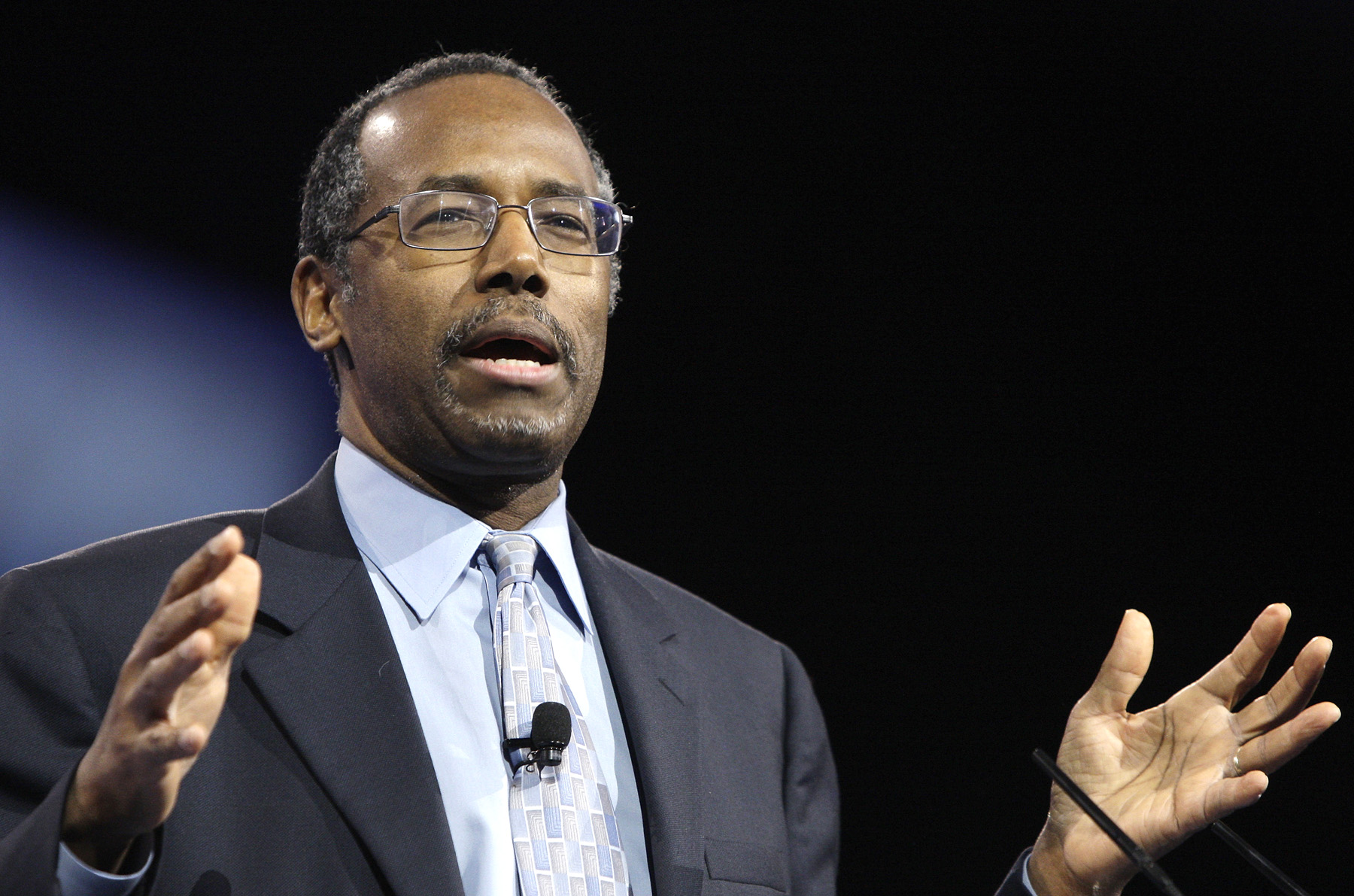
Image #: 21630241    Dr. Benjamin Carson, director of Pediatric Neurosurgery at Johns Hopkins School of Medicine, speaks to the Conservative Political Action Conference (CPAC) in National Harbor, Maryland, March 16, 2013. REUTERS/Jonathan Ernst (UNITED STATES - Tags: POLITICS HEALTH)       REUTERS /JONATHAN ERNST /LANDOV

As long as we keep talking about polls and their importance — or non-importance — allow me this brief observation.

Many commentators and analysts are suggesting that the top two Republican presidential primary candidates have one thing in common: They aren’t “career politicians.”

I refer to real estate mogul/reality TV star Donald Trump and esteemed neurosurgeon Ben Carson. They’re running first and second in most of the reputable polls.

Let’s not stop there. A third candidate also seems to be surging. The name? Carly Fiorina. Her background? Former CEO of Hewlitt-Packard. Fiorina, though, did run for the Senate in California, but she got thumped by Democratic U.S. Sen. Barbara Boxer. However, Fiorina doesn’t talk about that on the stump; instead, she talks about her business acumen and the many personal acquaintances and friendships she has with foreign dignitaries and/or heads of state.

The rest of the GOP field is languishing in single digits. Their background? They’re all “career politicians.”

Some analysts have wondered when we can throw every bit of conventional political wisdom out the window.

That time might have just arrived.

Oh … my.

Davis saga recalls long-ago controversy

john-f-kennedy

The Kim Davis Saga in Rowan County, Ky., should serve as a key lesson to all public officials who take an oath to perform their duties on behalf of the entire public constituency they serve.

Davis took that oath to serve as county clerk. One of her duties is to issue marriage licenses to those who request them. The highest court in the land then decreed that gay couples are entitled to the same rights of marriage as straight couples.

That doesn’t comport with Davis’s Christian values, she said. She refused to issue licenses to same-sex couples and now she’s been ordered to jail by a federal judge.

Public officials take an oath to serve everyone. Their oath is a secular one. One’s faith has no bearing on whether they should perform their duties.

This does sound familiar to those of us old enough to remember a controversy 55 years ago involving a young candidate for president of the United States. Democratic U.S. Sen. John Kennedy was his party’s nominee and was campaigning to become the first Roman Catholic ever elected to the presidency.

Questions arose during that campaign about Kennedy’s ability to fulfill the oath he would take if he were elected. Would he be loyal to the U.S. Constitution or, some wondered, to the Vatican? Some die-hard conspiracy theorists conjectured that he would be taking orders from the pope.

Sen. Kennedy then decided to settle the issue once and for all. He came to Texas and, speaking to a Protestant gathering of clergy, made a solemn vow: He would follow the Constitution and if in the highly unlikely event he encountered an issue that contradicted the teachings of the church and he could not act on that issue, he would resign the presidency.

And then he added: “I hope any conscientious public servant would do the same.”

Read the speech here

He won the 1960 election, took his oath and as near as anyone can tell was loyal to the U.S. Constitution.

Kim Davis cannot perform the duties of her office. She says they conflict with her faith.

She needs to quit that public office.


Trump shows again why he’s unfit for presidency

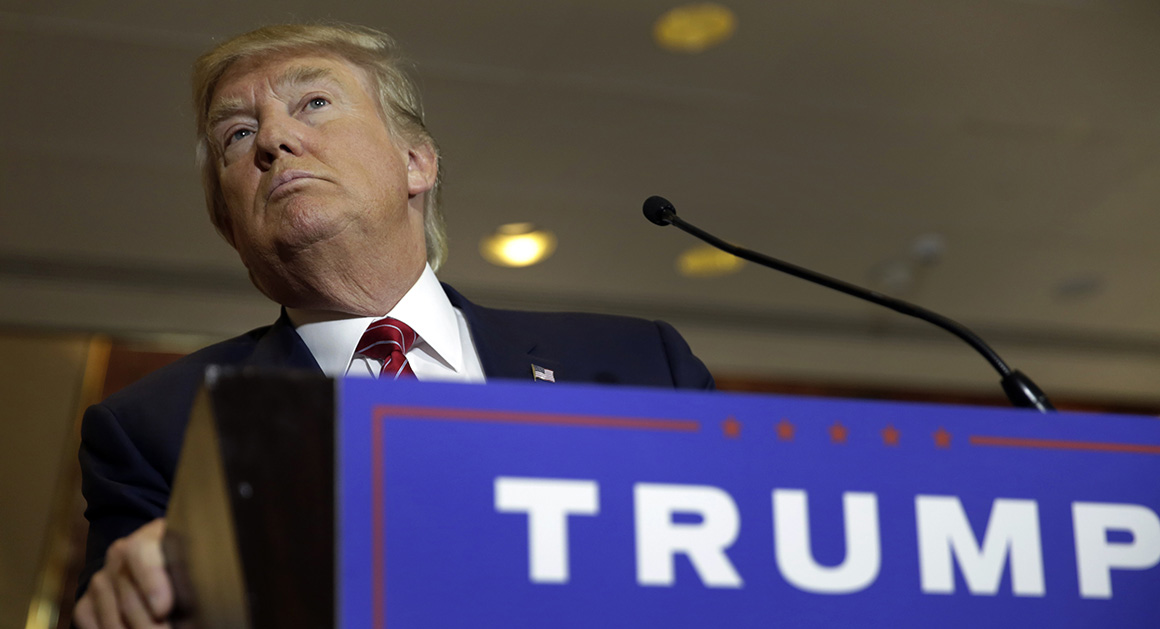
Republican presidential candidate Donald Trump listens to a question at a news conference at Trump Tower, in New York, Thursday, Sept. 3, 2015. Trump ruled out the prospect of a third-party White House bid and vowed to support the Republican Party's nominee, whoever it may be. (AP Photo/Richard Drew)

Donald Trump keeps doing and saying things that, in any normal political cycle, would signal the death knell to his presidential campaign.

Here’s the latest.

He went on Hugh Hewitt’s radio talk show. The two of them were talking about this and that. Then Hewitt — a savvy and smart radio commentator — asked Trump if he knew who name of the guy who lead the Qud movement in Iran. Trump said he thought Hewitt said “Kurds.” He didn’t know the name of Qasem Soleimani, the Qud leader.

Trump stumbles

OK, so then Trump stumbles on the question. He cannot name the terror leader. Then he blasts Hewitt for asking a “gotcha” question.

He  went on MSNBC’s “Morning Joe” the next day and ripped into Hewitt, calling him a “third-rate radio announcer.” For the record, Hewitt is one of the go-to guys in conservative talk radio and is considered a highly credible interviewer; indeed, his show is a favorite for conservative candidates.

What does all this mean? It means Trump (a) needs to study current geopolitical relationships, (b) needs to stop impugning others’ integrity when he cannot answer questions on issues of the day and (c) needs to start assembling at least a modicum of detail to the answers others are seeking as he proclaims his ambition to “make America great again.”

This man cannot possibly be seen as a serious candidate for commander in chief, head of state, head of government and leader of the free world.

Somehow, though, he maintains that front runner status among Republican primary voters.

Which prompts me to ask: Have they lost their ever-lovin’ minds?


Commentary on politics, current events and life experience