Vote is non-binding only in legal sense

ballpark

Amarillo’s City Council members will have an easy decision to make once the ballots are counted after Tuesday’s election.

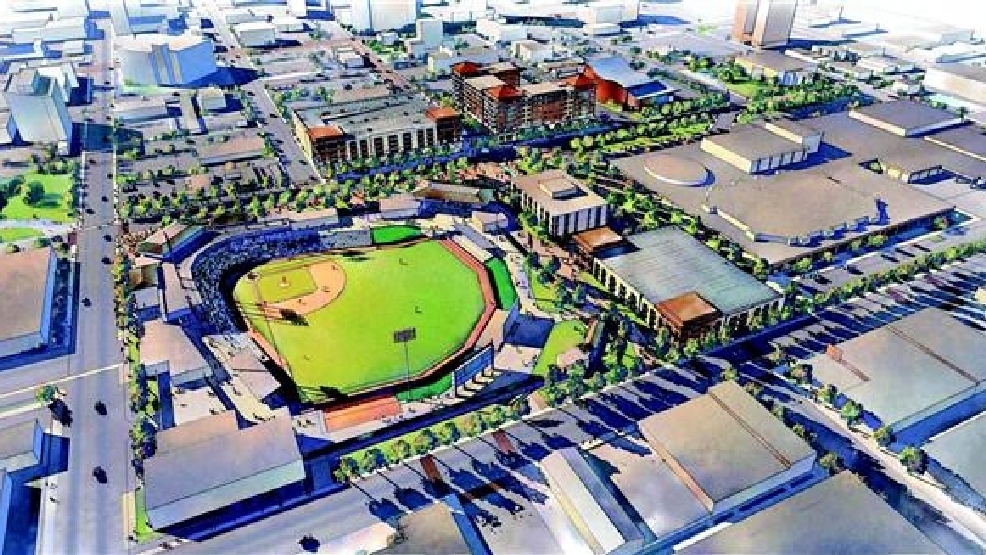
They will decide to ratify the voters’ desire on whether they want the city to proceed with a multipurpose event venue that includes a ballpark for downtown Amarillo.

This isn’t even a close call, no matter what one councilman, Randy Burkett, seems to think.

At issue is a non-binding referendum. It’s non-binding only in the strictest legal sense, meaning that the City Council is not legally obligated to follow the results.

Politically, though, it’s another matter.

The five men who sit on that council would commit the equivalent of political suicide if they go against what the voters say.

Burkett told the Amarillo Globe-News that he’d have to think hard about it if the vote is close in favor of the ballpark. Burkett opposes the ballpark aspect of the MPEV.

No, councilman.Ā You need not think too hard about this one.

Council on the hot seat

Three new council member — Burkett, Mark Nair and Elisha Demerson — all campaigned on a promise to listen to the residents of the city. All of them oppose ballpark/MPEV. If the residents speak in favor of the $32 million, then, by golly, they’d better follow in lockstep with what the voters decide to endorse the ballpark.

They, after all, sought to put this issue to a vote in the first place.

As for the other council members, Mayor Paul Harpole and Brian Eades, they say they’ll go along with what voters decide if they oppose the ballpark.

If that’s the case, then the council has some work to do — in conjunction with other interested boards, panels and assorted groups — to come up with a suitable centerpiece for the MPEV.

As for the whether to endorse the voters’ will, which will become known on Tuesday, that’s the easiest decision of all.

The council must ratify whatever the voters decide.

Period. End of discussion.


Should the president return that Peace Prize?

barack obama

Barack H. Obama campaigned for the presidency vowing to end the wars inĀ Iraq and Afghanistan.

His election in 2008 prompted the Nobel Committee to award him the Peace Prize the following year with the hope of a peaceful future in those two countries. The new president accepted the prize while acknowledging the unusual context in which the committee awarded it.

I never thought I’d say this, but I have to wonder if President Obama has ever considered giving the award back.

Why? Well, consider that that he vowed to end both wars. They haven’t ended. Now he’s about to commit a handful of U.S. troops into a third country to engage in the battle against the Islamic State.

Obama faces dilemma

The president recently announced that he would keep troops fighting in Afghanistan past the time he leaves office in January 2017; our commitment in Iraq remains, despite the pullout of frontline combat troops. Now this, the deployment of Special Forces to assist the Kurds fighting ISIS in northern Syria.

He took office while the country was fighting in two countries. He likely will leave office with the nation fighting in three countries.

This is not the legacy that Barack Obama ever wanted, but it’s part of the legacy he will leave the next president of the United States.

I get that circumstances have changed since he took office as the so-called “transformational” president. The Islamic State has exploded onto the scene. Syrian dictator Bashar al-Assad has brutalized and murdered hundreds of thousands of his people. The Iraqi military has fallen far short of its mission to defend the country against Islamic State murderers. The Taliban has fought back in Afghanistan.

Yes, we killed Osama bin Laden. We’ve continued to hunt down and kill terrorists all across the Middle East and South Asia. And we’ve known all along that the Global War on Terror would not end in the conventional way, with one side signing a peace treaty to end the hostilities. We are fighting an elusive and cunning enemy.

However, all that hope that Barack Obama brought to the presidency has dissipated as he heads for the final turn of his two terms in office.

I’m not going to sayĀ President ObamaĀ should give back the Nobel Peace Prize, although I wouldn’t complain out loud if he did.


Daylight to Standard Time? No biggie

daylight-savings-time-fall

Call me “adaptable.”

Indeed, I might be one of Earth’s most adaptable creatures.

Thirty-four years ago my family and I moved from Oregon, where I’d spent my entire life — less two years in the U.S. Army — and settled in Texas. Culture shock? Boy howdy! Did we adapt? You bet.

Three years ago, my 36-plus-year daily print journalism career came to a sudden end. It wasn’t entirely unexpected. Still, it was an unwelcome end to what I thought had been a pretty successful and productive career. Have I moved on? Yes.

Daylight to Standard Time and back again? Hey, no problem.

I’m not one of those who gripes about the switch to Daylight Savings Time. Nor do I bitch when we return to Standard Time.

I just flow with it.

Moreover, I totally get why the federal government set up Daylight Time. One reason toĀ save energy during the late spring, summer and early autumn months. More daylight meant we spent less time burning our lights and using up valuable electricity.

It bothers some of us. That’s their problem. Not mine.

The only noticeable difference I ever find when we make these switches occurs when we go back to Standard Time, such as what happened this morning.

I woke up damn early, which is the way it’s going to be for a good while. I’m looking at the bright side, though. I won’t be late for anything.

Rise and shine, everyone.


Early vote totals: impressive

EARLY+VOTING_MGN

Let’s try this number on for size …

13,627.

That’s the number of Amarillo voters who cast ballots in advance of Tuesday’s election. We’re going to decide whether we want to build a $32 million multipurpose event venue that includes a ballpark in downtown Amarillo; we’re also going to vote on seven proposed amendments to the Texas Constitution.

The early-vote number isn’t a record-breaker. It’s impressive nevertheless.

By my estimation, that number represents roughly 10 to 11 percent of all registered voters in the city. It’s not great in and of itself.

However, compared to the hideous turnout of many recent previous municipal elections, I believe that early-vote number represents a positive trend.

I’ll be frank. The constitutional amendments aren’t drawing voters out. It takes a citywide issue such as the MPEV to bring ’em to the polls.

I haven’t voted early. I’m waiting until Tuesday. I’ll probably go to my Randall County polling place first thing. I’ll be there by 7 a.m.

You know how I’ll vote on this deal. Oh, just in case you don’t know … I’m voting “for” the MPEV as aĀ statement that the city is ready to keep marching forward.

I’m heartened that the early turnout has been so relatively brisk.

What does it mean for the final result? We’re going to find out early Tuesday evening when those early ballot results are released.

Here’s hoping for the best.


Early vote is over; now let’s await the MPEV verdict

ballpark

Early voting is not my thing.

I prefer to vote on Election Day. But I’m delighted at what I’ve read and heard so far about the early vote turnout for next Tuesday’s big municipal election, the one that decides the fate of the ballpark that’s included in the proposed multipurpose event venue planned for downtown Amarillo.

It’ll be interesting once all the ballots are counted to learn (a) whether the ballpark fails or passes and (b) whether the total number of ballots actually produces anything resembling a “mandate” one way or the other.

Years ago, Texas made it so very easy for voters to cast their ballots early. The idea then was to boost turnout in this state, which traditionally has been quite pitiful. From my catbird seat over many years, I’ve determined that the turnout really hasn’t increased; early voting, though, simply has meant that more voters cast their ballots early rather than waiting for Election Day.

The MPEV vote might change all of that next Tuesday. That’s my hope, at least.

***

At issue is that $32 million MPEV, which includes the ballpark.

I’ve been all-in on this project since the beginning. It’s a good deal for the city on more levels than I can remember at the moment. It’s an economic development tool; it would provide entertainment opportunities; it would spur further growth downtown; it would help — along with the downtown convention hotel that’s also planned — remake the appearance and personality of the downtown district.

The campaigns mounted by both sides of this issue have been vigorous. They have told the truth — most of the time.

There’s been a bit of demagoguery from the anti-MPEV side concerning the role the one-time master developer, Wallace-Bajjali, has played in all of this. The developer vanished into thin air this past year overĀ a dispute between the principals who owned the outfit. They parted company and one of them, David Wallace, has filed bankruptcy.

This MPEV idea, though, was conceived long before Wallace-Bajjali entered the picture, but there’s been plenty ofĀ loose talk about nefarious motives relating to the company and its association with the downtown revival effort.

I get that David Wallace proved to be “all hat and no cattle” as he sought to sell his company’s track record when he and his partner arrived on the scene. The planning and execution of this project has involved a lot of other home-grown individuals and groups whoĀ are invested deeply in this community.

***

I want the MPEV to earn the voters’ endorsement. If it doesn’t, well, we’ll have to come up with another plan … quickly!

As the campaign comes to a close, though, I remain hopeful that a significant number of Amarillo voters are going to weigh in with their ballots. Do I expect a smashing, presidential-year election-scale kind of turnout? Hardly.

My hope is that all of this discussion — and even the occasional temper tantrums from both sides of the divide — will give us something that resembles a mandate.

And that, friends, is how a democracy is supposed to work.

Let’s allow Dems to face media grilling

media

All this talk over the past few days about the alleged mistreatment of the Republican Party presidential candidates by the “mainstream liberal media” brings something to mind.

Let’s suppose as we travel down the primary campaign road that the Democratic field — or what’s left of it — decides to debate among themselves in a nationally televised event.

What might happen if the moderators allĀ  turned out to conservative-leaning journalists? Believe me, there are plenty of them to go around.

Imagine a panel comprising, say, Britt Hume, Jennifer Rubin and Byron York grilling the likes of Hillary Rodham Clinton, Martin O’Malley and Bernie Sanders.

Hume is a regular panelist on Fox News Sunday; Rubin is a conservative columnist for the Washington Post; Byron York is a long-time conservative columnist whose work is syndicated in papers across the country.

They’re all smart and savvy political hands.

I’m trying to imagine how the Democratic National Committee might react to the tough line of questioning that such a panel would bring to a Democratic candidates debate.

I’m not sure the DNC would allow such a panel to present questions to their candidates. Yet the Republican National Committee signed off on the recent CNBC-sponsored debate and the moderators chosen by the network to quiz the candidates on the debate stage.

Still, there’s a part of me that wishes the DNC would agree to such an event, with that party’s candidates facing sure-fire relentless questioning on a whole array of issues facing the nation.

I know it won’t happen. But I can dream … can’t I?


RNC fights back: severs tie with NBC

horse race

Can it possibly true that the Republican National Committee doesn’t like its party’s presidential candidates to answer tough questions?

Someone, tell me that’s not possible.

The RNC has lashed out at CNBC and its parent network, NBC, by severing its relationship with the media outlet because of the nature of the questions asked by CNBC moderators this week at the GOP debate in Boulder, Colo.

This means NBC won’t take part in future Republican debates.

The questions weren’t “fair,” according to RNC chairman Reince Preibus. They were of the “gotcha” variety, he said.

I happen to agree with the view that the CNBC moderators did a poor job during the debate. My issue with them was that the debate became a madhouse during its two-hour duration. Candidates were interrupting each other; they were interrupting the moderators; the moderators were interrupting the candidates. Then came the attacks from the candidates against the mainstream media and CNBC.

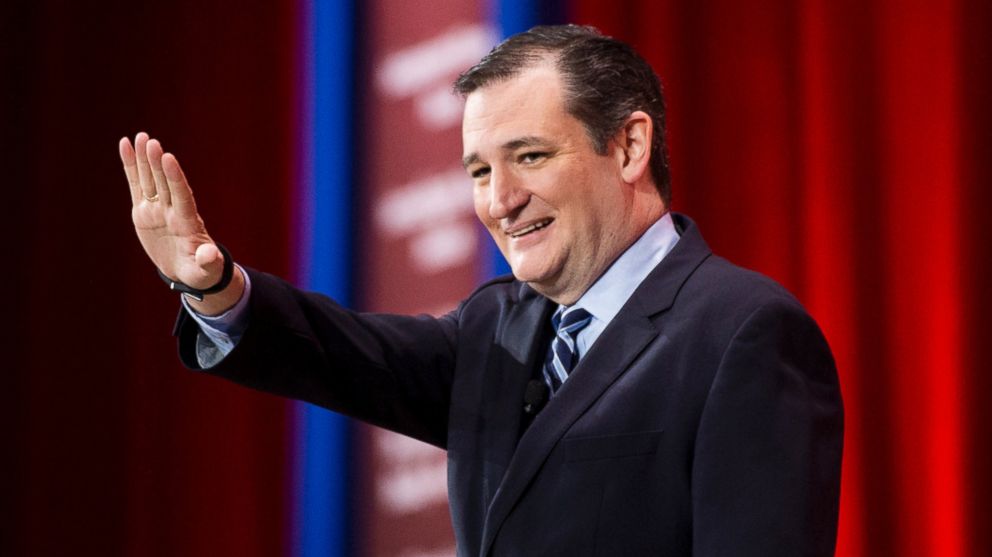
One of the candidates, Ted Cruz of Texas, then said he thinks Republican debates need to be moderated by pundits who are friendly to the GOP. Donald Trump said more or less the same thing.

Look, the issue shouldn’t be the toughness of the questioning. What on Earth do any of these folks believe will await them if any of them gets elected president next year? Are they — and their political party apparatus — really fearful of tough questions that seek to determine the candidates’ ability to think on their feet and deal with unexpected occurrences?

I cannot believe what’s happening here. The Republican National Committee needs to get a grip on what it is demanding of the media that cover its candidates’ quest to assume the most powerful office on the planet.


Cruz and Patrick: clash of egos

cruz

Texas Monthly blogger Erica Grieder calls the political alliance between Texas Lt. Gov. Dan Patrick and U.S. Sen. Ted Cruz a union of “strange bedfellows.”

Boy, howdy!

Two of Texas’s largest egos have linked up. And when I refer to them in that fashion, that’s really saying something, given that the state is brimming with monumentally hugeĀ political egos.

Grieder notes that Patrick and Cruz have had a “frosty relationship” for some time. Cruz is running for president and Patrick is backing him. Cruz also is huge pals with Gov. Greg Abbott, while Grieder and some other political observers think Patrick might have his eye on Abbott’s office when the 2018 election rolls around.

Patrick said he has no plans to run for governor next time. I’m always intrigued by politicians who make that assertion. “I have no plans” to run for another office, they say. You know what that tells me? It tells me they “have no plans at this moment.”

There’s no telling what the next moment will bring.

So, as Grieder notes in her blog, Patrick’s current alliance with the state’s junior U.S. senator puts Cruz in a potential bind if Patrick changes his tune, say, in the fall of 2017 and ramps up a campaign against Gov. Abbott.

I think I’ll stay tuned to this one.


Special forces to Syria? What’s next?

islamic-state-syria759

It’s been said many times that “the enemy of my enemy is my friend.”

Syria’s dictator, Bashar al-Assad, is our enemy. So is the Islamic State, which also is Assad’s enemy. Thus, Assad becomes our “friend” because the United States and Syria oppose the Islamic State?

My head is spinning.

President Obama hasĀ just performed a major pivot on Syria. We’re sending about 50 special operations forces to Syria to assist the government in fighting ISIS. Does that mean we’re getting engaged in a ground war in Syria? The president says “no.” I’m not so sure.

We’re putting “boots on the ground”Ā in a place that’s been involved in a bloody civil war for many years now.

I don’t like this change of direction.

The issue of who’s our friend in the Middle East is complicated enough as it is. By my reckoning — and I’m sure many others — we have one true ally in that region: Israel. Many other nations’ leaders say they’re with us in the fight against ISIS. By and large, they have been — at best — not totally reliable.

So now we’re going to reverse ourselves and commit a handful of ground troops to this terrible conflict. Are they going to be frontline forces? The Pentagon says no and that they won’t necessarily be thrust directly into harm’s way.

What will the nation’s reaction be when we get word of the firstĀ person killed in action?

And … for what? To assist a brutal dictator who our own president has said should be removed from power?


City vote looms … what lies ahead?

amarillo MPEV

It’s good to look forward, yes?

Amarillo voters are going to the polls Tuesday to decide a critical issue for their community: whether to build an multipurpose entertainment venue that includes a ballpark.

I want the ballpark to be approved. I’ve been all in on the project from the beginning. Nothing has changed my mind about its feasibility, its potential or its actual benefit to the city.

I’ve devoted much of this blog of late to making that case. Frankly, the issue has generated a lot of interest in the blog … for which I am quite grateful.

What lies ahead after the votes get counted?

I am certain the MPEV will provide plenty of grist for future commentary.

If the MPEV vote goes the wrong way, that is, if voters say “no” to it, I plan to keep beating the drums for some sort of venue that will be built on that abandoned property across the street from City Hall.

Coca-Cola vacated the site and relocated at a new business park. The old distribution center is vacant. It would make a fantastic location for an MPEV.

If the MPEV vote goes the other way, and is approved by voters, there will be plenty of affirmation coming from High Plains Blogger — depending, of course, on whether the City Council ratifies the vote and proceeds with construction of the $32 million project.

The referendum is a non-binding vote. The council isn’t bound legally to abide by its result. Politically, it’s another matter. The five-member council comprises three members who don’t like the MPEV as it’s been presented.

Yet they were elected this past spring after pledging to listen to their constituents. Do you get my drift here?

No matter the outcome on Tuesday, I remain supremely confident that this issue specifically — and downtown Amarillo’s path toward restoration and revival — will give us all plenty to discuss.


Commentary on politics, current events and life experience