Category Archives: legal news

‘You’d be in jail’ … except that Hillary won’t go there

aakdd3c

Donald J. Trump spoke a lot of trash during his winning campaign for the presidency.

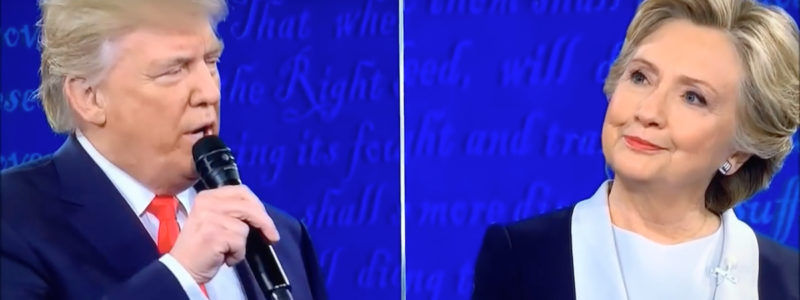
He turned to Hillary Rodham Clinton during a presidential debate and said “You’d be in jail” in response to a statement she made about his lack of understanding of the rule of law.

Then he talked about appointing a special prosecutor to look for proof that she was as “crooked” as he said she was.

Except that now he’s not going to anything of the sort.

That is a very good call from the president-elect.

http://www.msn.com/en-us/news/politics/the-political-calculus-behind-trump%e2%80%99s-decision-not-to-push-for-a-clinton-prosecution/ar-AAkm2l0?li=BBnb7Kz

Trump says now he wants to focus on the fixing the country. He doesn’t want any distractions, such as a futile special prosecutor’s probe into matters that already have been determined to be out of reach for any prosecutor.

The e-mail controversy? The alleged “pay for play”? Benghazi?

It’s all been settled. The FBI determined there was no criminality involved with the e-mail server Clinton used while she was secretary of state. Pay for play has been nothing more than a political talking point. A congressional select committee has been unable to prosecute Clinton for anything involving the Sept. 11, 2012 fire fight at the U.S. consulate in Benghazi, Libya.

I wonder now if Trump is going to offer any expressions of “regret” or — dare I say — an actual apology for defaming Clinton with the “crooked Hillary” label.

Actually, there’s no need to wonder. The president-elect has told us already he never regrets anything … ever.

Sessions pick for AG is the most galling of all

sessions-trump

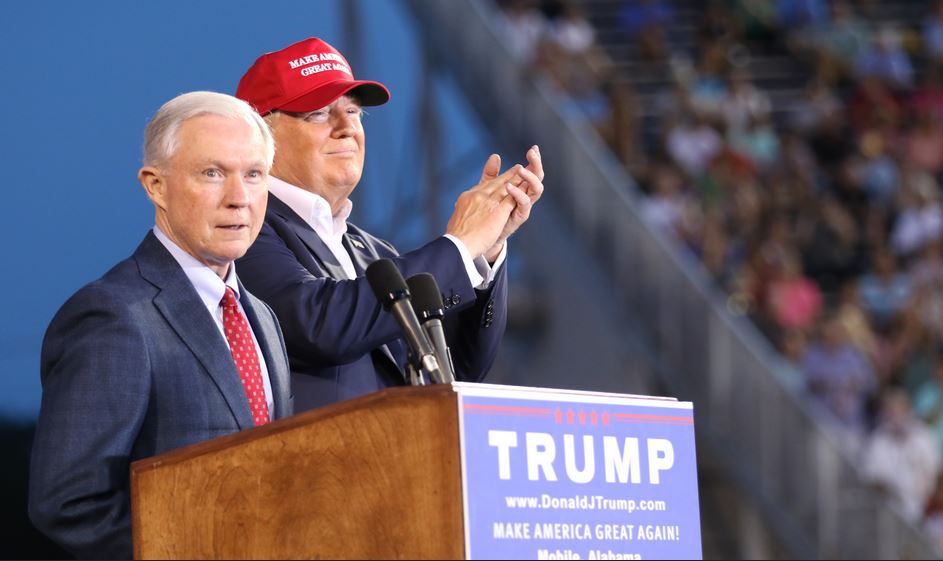
Jeff Sessions is likely to be confirmed as the nation’s next attorney general.

It’s been said that “to the victors go the spoils.” In Sessions’ case, the victor happens to be a U.S. senator who was among Donald J. Trump’s earliest and most vocal supporters in his winning bid for the presidency.

Trump has rewarded the Alabama Republican with a nomination to become the nation’s top lawyer, its top law enforcement officer, its primary legal eagle.

The irony — not to mention the potential consequence — of this appointment is too rich to overlook.

Sessions has served in the Senate since 1997. For nearly a decade he’s been a member of the very “club” that once rejected an earlier nomination for Sessions to become a federal judge.

President Reagan nominated Sessions to the federal bench in 1986. Sessions, though, seemed to have this thing about African-Americans. He allegedly made some racist comments while serving as a federal prosecutor. He once said something akin to endorsing the Ku Klux Klan until he learned that some KKKers “smoked pot.” Sessions declared that to be a “joke,” that he was just kiddin’ around.

Well, the Senate rejected his judicial nomination. Sessions, though, decided to join the club. He was elected in 1996 and since then has been passing judgment on other judicial nominees who’ve come before the Judiciary Committee, where he serves.

Thus, the irony.

Sessions will be confirmed eventually, but only because senators are deeply resistant to rejecting one of their own, no matter how repulsive he may be.

The Justice Department has made great strides in recent years — under Attorneys General Eric Holder and Loretta Lynch — in ensuring equal protection under the law for all Americans. Does one really expect an Attorney General Jeff Sessions to continue that trend?

I fear that the attorney general’s office is going to take a decidedly less-aggressive posture in enforcing civil rights violations when they occur. I also am wary of anything Jeff Sessions says about his commitment to ensuring equal justice for all Americans.

His buddies in the Senate will confirm this nomination. I am hoping, though, for a thorough going-over regarding his record as a prosecutor and that silly rejection to the federal judgeship over things he said about many of our fellow citizens.

Perhaps one of his inquisitors will ask: “Sen. Sessions, if the Senate deemed you unfit to be a federal judge, why should it confirm you now as attorney general?”

Trump settles suit … with no admission of guilt? Really?

trump

Donald J. Trump once said he’d never settle a fraud lawsuit brought against him by former students of “Trump University.”

Oh, but wait! Then the president-elect did settle. This past week he agreed to pay $25 million to those students who had alleged they were cheated out of money they paid to attend the university. They didn’t get the bang for the buck they expected, they said.

These settlements often puzzle me.

Lawsuit defendants — such as Trump — agree to settle but insist they did nothing wrong. If that’s the case, then why the payout? Why fork over that kind of dough if they insist, as Trump has done, that the lawsuit lacked merit?

http://www.politico.com/story/2016/11/trump-university-lawsuit-settlement-231610

Trump said he settled the lawsuit so that he can devote his full attention to “the country” he is about to lead as president.

I’m going to remain skeptical about Trump’s stated reasons for settling. My gut tells me he well may have wanted to cut his losses, which well might have been a whole lot more had this case gone the distance.

Ted Cruz for Supreme Court?

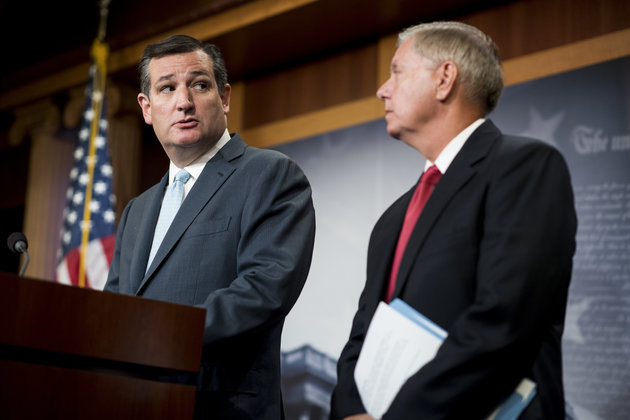
UNITED STATES - SEPTEMBER 20: Sen. Ted Cruz, R-Texas, and Sen. Lindsey Graham, R-S.C., participate in the press conference on military aid to Israel with on Tuesday, Sept. 20, 2016. (Photo By Bill Clark/CQ Roll Call)

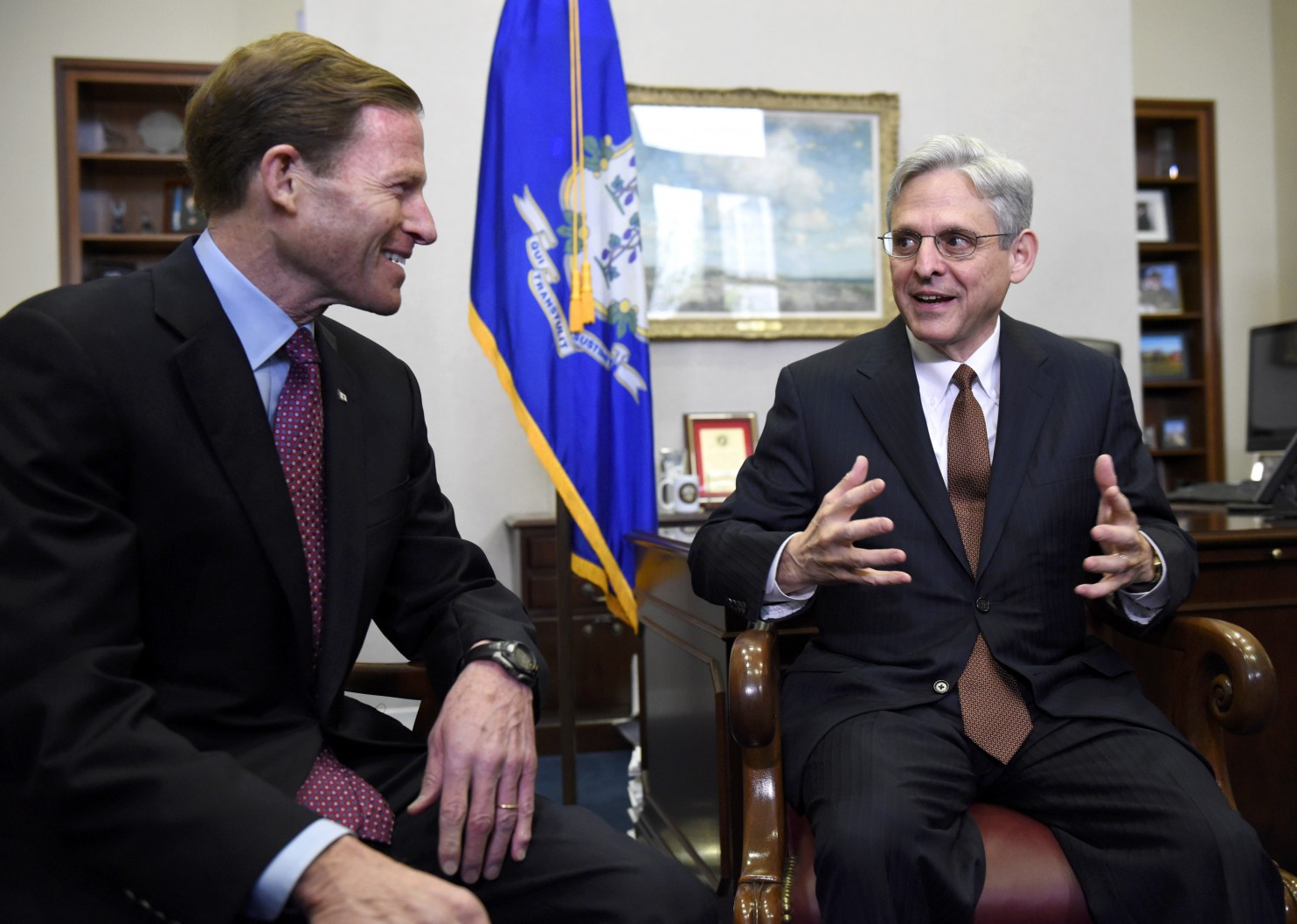
U.S. Sen. Lindsey Graham has posited an interesting notion about who should be nominated to fill the vacancy on the U.S. Supreme Court.

He says his Republican Senate colleague, Ted Cruz of Texas, should get the call.

Cruz would be hailed by everyone in the Senate as the perfect choice by the new president, according to Graham — but not for reasons that have anything to do with Cruz’s credentials.

Most of Cruz’s Senate colleagues detest him. They would vote virtually unanimously to send him to the Supreme Court, said Graham, who once joked that “if you killed Ted Cruz on the floor of the Senate, and the trial was in the Senate, nobody would convict you.”

Graham and Cruz, you must recall, once were GOP rivals for the party’s presidential nomination in 2016. Donald J. Trump ended up winning the presidency and now can nominate someone to fill the court vacancy created by the death of Justice Antonin Scalia.

Do I think Cruz would be a good choice? No. I don’t want the court to mess with a woman’s right to choose to end a pregnancy or to undo its ruling that legalized gay marriage.

Still, Sen. Cruz — or “Lyin’ Ted,” as Trump once labeled him — would be a most provocative selection for the court. He is a sharp lawyer, a former Texas solicitor general who has argued before the Supreme Court.

http://www.huffingtonpost.com/entry/lindsey-graham-ted-cruz-supreme-court_us_582ba677e4b01d8a014b4490

The new president might want to look to make a key appointment that would steer him away from difficult a Senate confirmation fight. In that context, Ted Cruz for the U.S. Supreme Court sounds like the right choice.


Can the president go over Congress’s head on Garland pick?

aptopix_supreme_court_senate-0e1dc-1233

This would require some serious stones on the part of the president of the United States.

But consider what a legal scholar, Gregory L. Diskant, is offering: Barack Obama can appoint U.S. Chief District Judge Merrick Garland to the Supreme Court without Congress providing its “advice and consent.”

The question for me: Does the president have the guts to do it?

Diskant, writing for the Washington Post, asserts that the Constitution has a provision that allows a presidential appointment if the Senate “waives” its responsibility to provide its consent. Thus, the notion goes, the president is within his right as the nation’s chief executive to simply seat someone on the highest court because the Senate has refused for an unreasonable length of time to fulfill its constitutional responsibility.

Diskant cites President Ford’s appointment of John Paul Stevens to the court in 1975. Nineteen days after the president nominated Stevens, the Senate voted 98-0 to confirm Justice Stevens.

https://www.washingtonpost.com/opinions/obama-can-appoint-merrick-garland-to-the-supreme-court-if-the-senate-does-nothing/2016/04/08/4a696700-fcf1-11e5-886f-a037dba38301_story.html?postshare=6971479245651399&tid=ss_fb

President Obama nominated Garland months ago after the tragic death of longtime conservative Justice Antonin Scalia. The Senate refused to give his nominee a hearing, let alone a vote, saying that a “lame duck” president shouldn’t have the right to fill a vacancy on the court; that job should belong to the next president, according to Majority Leader Mitch McConnell, R-Ky.

“No Drama Obama” could go out — if he so chose — with a serious boom if he follows Milbank’s suggestion.

Given the obstruction that Senate Republicans have thrown in front of the president for nearly his entire two terms in office, it would serve them right if Barack Obama took the dare being offered.

Gay marriage is ‘settled law’ … how about abortion?

blackmun

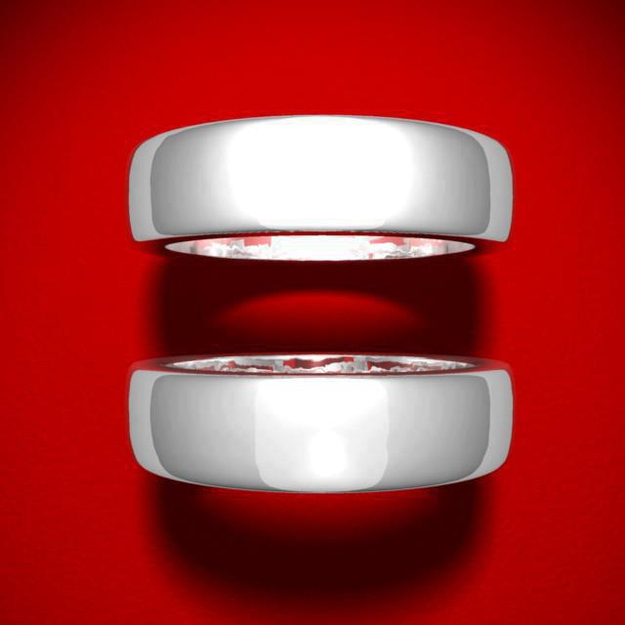
Donald J. Trump says the U.S. Supreme Court has settled the issue of gay marriage, ruling that the 14th Amendment to the U.S. Constitution provides “equal protection” under the law to gay couples, thus allowing them to marry legally.

The president-elect made the right call there.

But wait a second!

What about abortion? The High Court also has ruled that women have a constitutional right to make decisions regarding their own bodies, that they are allowed to terminate a pregnancy. They cited the same 14th Amendment’s “right of privacy” provision, as noted in Justice Harry Blackmun’s opinion.

Is it settled law? One would think so.

Trump, though, has said he’s going to find someone to fill the vacancy on the Supreme Court who opposes abortion, who would help overturn the landmark Roe v. Wade decision of 1973.

Isn’t the Roe v. Wade decision “settled law” as well, just as much as the gay marriage decision of just a couple of years ago?

I should note, I suppose, that Trump once was adamantly pro-choice on the abortion issue. Now he is just as adamantly pro-life on the matter.

Trump now plans to apply the abortion litmus test to whomever he selects to the court post vacated by the death earlier this year of longtime conservative icon Justice Antonin Scalia.

Presidents normally say they don’t set up such tests for potential Supreme Court nominees … but of course they do. I’ll give Trump credit at least for all but admitting out loud he has established one critical benchmark for whomever he chooses to fill the court vacancy.

The credit, though, must be tempered by the “settled law” notion that the president-elect applies to one key social issue of our time while refusing to apply it to another.

Gay marriage, where Trump and GOP base part company

facebook-marriage-equality-rings

Here it comes.

The millions of Republican voters who stood by their man, Donald J. Trump, during the acrid presidential campaign might be feeling the first of many pangs of regret over one of their guy’s core beliefs.

Trump has told “60 Minutes” correspondent Leslie Stahl that gay marriage is the law of the land and that he’s “fine” with that. The U.S. Supreme Court decided it, legalized gay marriage in all the states. The issue is done, said Trump — quite correctly. There, you see? I actually can say something complimentary of the president-elect.

I almost could hear the teeth-gnashing while sitting in my study at home when he said that.

http://thehill.com/blogs/blog-briefing-room/news/305803-trump-diverts-from-gop-fine-with-supreme-courts-gay-marriage

Do you think the president-elect has upset those among his base, the folks who stood by him while he insulted prisoners of war, mocked a disabled reporter, admitted to groping women, denigrated a Gold Star family?

All of those things, taken separately, should have been enough to disqualify this guy from being nominated by a major political party, let alone from being elected president.

The GOP base — the true believers — stood by the nominee despite not even understanding what he believed.

Trump has vowed to appoint a conservative to the U.S. Supreme Court to succeed the late Justice Antonin Scalia. The court, though, has settled the gay marriage issue, citing the 14th Amendment to the U.S. Constitution and its “equal protection under the law” clause.

Trump tonight has indicated — finally! — that he understands the concept of “settled law.” The base of his party will be unhappy with the man they backed to the hilt.

Is a presidential pardon out of the question?

presidential-pardon

Donald J. Trump said many crazy things while campaigning successfully for the presidency of the United States.

Take, for instance, his statement to Hillary Rodham Clinton that “You’d be in jail” if he were president.

His crowds chanted the “Lock her up!” mantra continually at his rallies. Trump didn’t silence the madness from his followers.

The FBI director, James Comey, concluded in July that “no reasonable prosecutor” would bring criminal charges against Clinton over her use of a private e-mail server while she was secretary of state. Then he told Congress 11 days before the election that he found more e-mails that deserved his agency’s attention; eight days after that he said, “Nope. Nothing has changed.”

Trump continued to hammer “crooked Hillary” with accusations that she broke the law.

So, here’s a nutty idea. Would the new president issue a blanket pardon, clearing his opponent of any potential future prosecution?

Trump isn’t saying. Neither is his transition staff.

Hey, this notion has precedent. President Ford granted a pardon for his immediate predecessor,  former President Nixon, a month after Nixon quit the presidency on Aug. 9, 1974, over the Watergate scandal. No criminal charges had been brought against Nixon, yet Ford sought to prevent a further political fracturing that would occur had any prosecution had been allowed to proceed.

It turned out that the pardon opened up a whole new set of fissures.

But, the nation moved on.

Might there be such an action in our nation’s immediate future?

I wouldn’t oppose such an action. How about you?

Wait for the apologies … if you have the time

comey

FBI Director James Comey on Oct. 28 sent a letter to Congress informing lawmakers that he was looking at more e-mails relating to Democratic presidential candidate Hillary Clinton.

Republicans were quick to jump all over it — and all over Clinton. GOP nominee Donald Trump called her a crook; he said the “scandal” was the “worst since Watergate.”

Trump rallied in the polls; Clinton sunk.

It was “game on.”

Today, Comey said that after reviewing the e-mails, he has decided there will be no further action taken. His statement from this past summer that “no reasonable prosecutor” would seek an indictment for wrong-doing.

It’s now back to where we started. No criminal investigation. No indictment.

Will there now be any mea culpas offered by those Republicans? Will they apologize for rushing to judgment?

You can stop laughing now.

FBI boss tries to cover his trail; Hillary breathes more easily

122316507

What? Do you mean to say, Mr. FBI Director, that the letter you released to Congress a few days ago has amounted to a whole lot of nothing? Is that what you’ve said today, sir?

James Comey has sent another letter to Congress, telling members that his agency has pored through the e-mails it recovered regarding Hillary Clinton’s years as secretary of state and has — get a load of this — found that nothing has changed from its conclusion this summer.

The FBI determined that “no reasonable prosecutor” would seek criminal charges against Clinton over the e-mails. Now he’s said the first conclusion will stand.

Oh, but that doesn’t end the story … even though it should.

Comey’s first letter to Congress sent the campaign into serious tumult. It has been the primary reason for Republican presidential nominee Donald J. Trump’s recent rally in public opinion polls. Trump used the letter to say that Clinton was guilty of corruption, that his campaign had struck the “mother lode,” and that Clinton was involved in the “worst scandal since Watergate.”

The lode has dried up. The “scandal” won’t materialize.

The FBI director has effectively concluded his probe into those e-mails. End of story?

Well, one might hope. Republicans, though, aren’t about to let it go.