Tag Archives: Sixth Floor Museum

Museum always breathtaking

DALLAS — It doesn’t matter how many times I have come to this exhibit — or how many times I will see it in the future — every visit fills me with awe about one of this country’s most profound tragedies.

I came here this week with a dear friend to tour the Sixth Floor Museum, which commemorates the assassination of President John F. Kennedy on Nov. 22, 1963. Sixty-two years have passed since that horrifying day and I continue to be struck by how that single senseless act sent a great city’s emotional psyche spiraling into the sewer.

I saw for the first time on this visit a copy of the Dallas Morning News editorial page published on the day of JFK’s visit. The editorial referred to the city’s “partisan cleavage” that would disappear hopefully that day as it welcomed the 35th president of the United States. Indeed, there had been fear that right-wing activists might protest the president’s visit, accusing him of being “soft” on the Soviet Union.

Well, it turned out the world was looking in the wrong direction. Lee Harvey Oswald turned out to be an avowed Marxist who two days later met his own end when a night club owner, Jack Ruby, shot him in the gut as he was being transferred from the city jail to the county lockup.

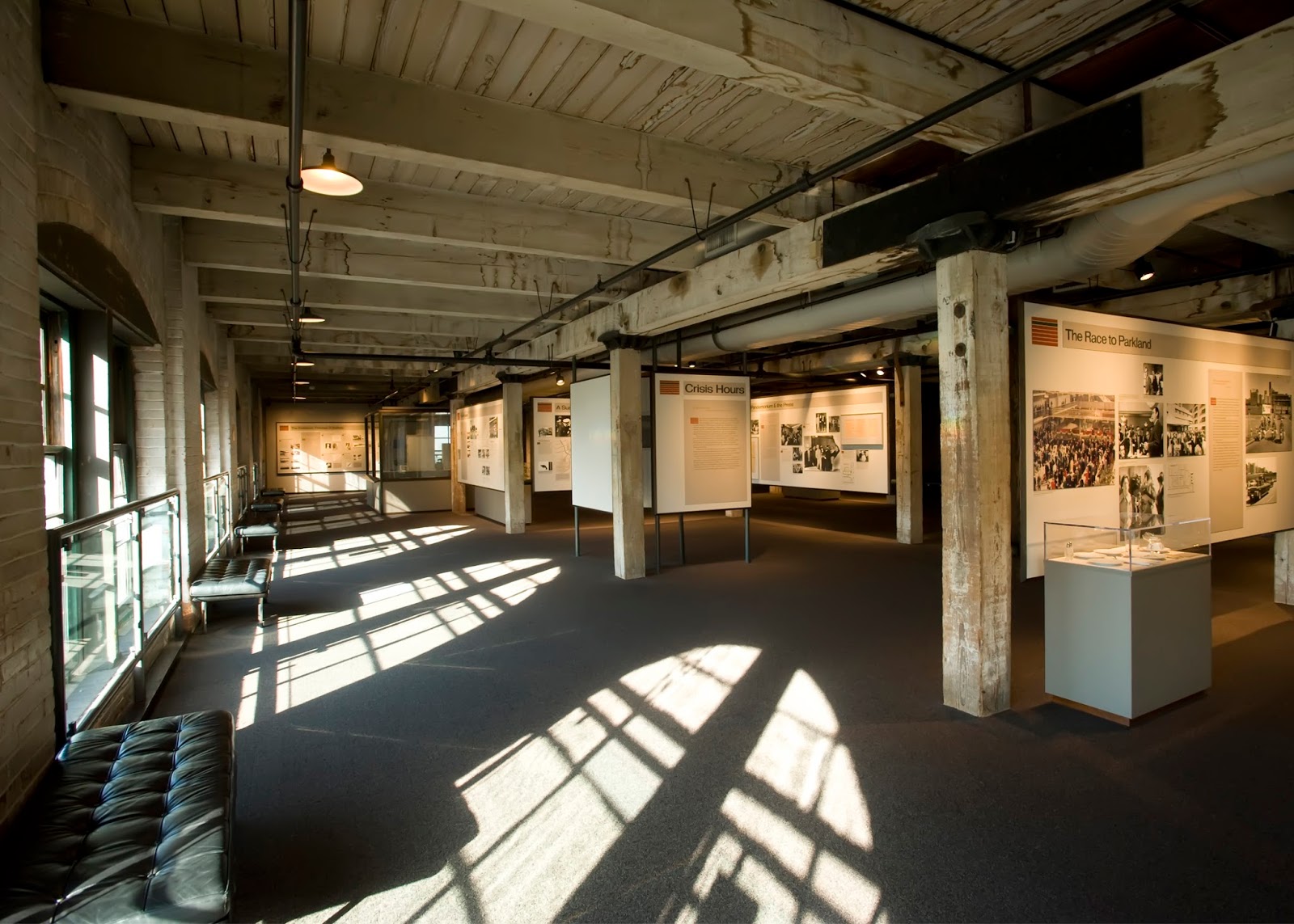
I continue to be struck by the quietness of the large crowd of museum-goers who were milling around the sixth floor, looking at the artifacts, reading the text on the walls explaining JFK’s legacy, his record, his accomplishments and even where he fell short during the 1,000 days of his presidency. I found myself whispering information into the ear of my friend; I didn’t want to make any sort of unwanted noise. I felt as though we were in a church sanctuary.

I likely won’t ever buy into the notion that John Kennedy should rank among the nation’s great presidents. One thousand days doesn’t give anyone much of a chance to carve out a lasting legislative legacy. He had some success and he fell short a time or two during his time in office.

He did bring a huge wellspring of hope to a nation that needed it in the moment. That hope was blown to bits by the gunman aiming his rifle from the sixth floor of a building that reportedly was destined to be torn down.

I’ll be back again someday. I cannot get enough of that exhibit.
Memories of JFK’s death came pouring forth

DALLAS — Exhibits such as the one my brother-in-law saw today have this way of triggering so many memories.

We ventured to the Sixth Floor Museum, the one overlooking Dealey Plaza in downtown Dallas, where the 35th president of the United States, John F. Kennedy, was murdered in front of the world.

The exhibit has been improved greatly since first time my wife and I visited it in the mid-1980s. It contains many more pictorial displays, more text, a wonderful audio tour, film and, of course, the window where the gunman fired on the president and Texas Gov. John Connally.

I was struck by the amount of attention paid at this museum to the slew of conspiracy theories that have kicked around since the Warren Commission filed its report in 1964. The new president, Lyndon Johnson, appointed Chief Justice Earl Warren to lead the panel to examine every detail it could about the assassination.

It returned with what I believe is the soundest plausible explanation: Lee Harvey Oswald, the disgruntled Marxist, sat in the window on the sixth floor of the Book Depository Building and fired three rounds from a bolt-action rifle, killing the president and wounding the Texas governor.

I was not quite 14 years of age when the world got the news.

My own theory in the moment was cut and dried: The Russians killed the president and were going to attack and invade the United States at any moment. That was how a 13-year-old mind worked in real time way back then. I guess I forgot that we would have a new president within minutes of the 35th president’s declaration of death. That’s what happened aboard Air Force One, when U.S. District Judge Sarah Hughes swore in President Johnson, who then asked for strength and prayers from the nation he was about to lead through this horrific tragedy.

I never have paid attentin to the idiotic conspiracy theories. I don’t believe any of them. I have retained faith in the commission headed by the nation’s chief justice.

Still, I was impressed to realize that the museum organizers saw fit at least to give many of those conspiracies a sufficient airing to at least present the many “other sides” of this most intriguing tragedy.

I remain convinced today, though, that Lee Harvey Oswald pulled the trigger … and that he did it all by himself.