There you go. This well might be the most compelling rebuke of Republican opposition to the teaching an element of our national history that I have seen so far.
It comes to me from a good friend who share it on social media. The “Tom Cotton” referenced in the top passage is the GOP senator from Arkansas. Cotton has been opposing what he and other congressional Rs refer to as “critical race theory.”
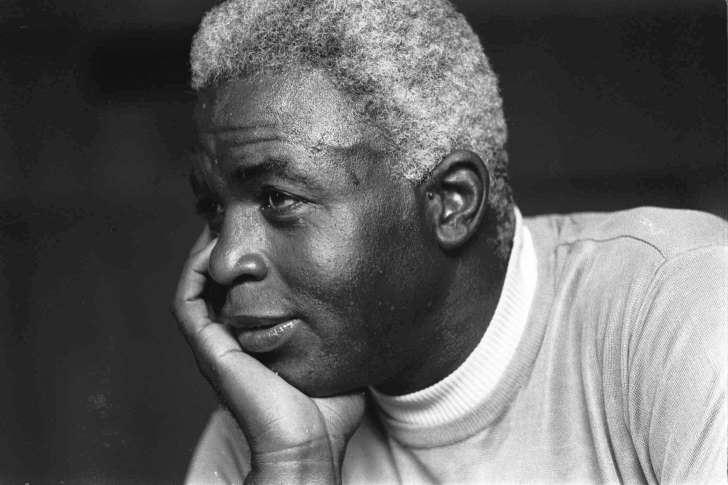
Of course, Sen. Cotton is quite correct to salute the accomplishments of Jackie Robinson, the first African American to play Major League Baseball. He smashed through that barrier 75 years ago this season. “Today we honor him and his lasting legacy,” Cotton wrote via Twitter.
Yes! We do!
But hold on! What about the 50 years of MLB’s existence prior to Robinson joining the Brooklyn Dodgers in 1947? Dare we also discuss in our public school classrooms the reasons why Robinson and other African Americans were denied the opportunity to play big league ball with white players? Do we ignore the inherent racism in MLB’s policy banning black players? Do we also ignore the epithets that fans hurled at him as he sought to play baseball in big league ballparks?
There’s a wonderful back story that needs a brief telling. One of Robinson’s closest friends on the Dodgers was a shortstop from Kentucky, Peewee Reese. When the Dodgers took the field in Cincinnati in 1947, the fans heckled Robinson mercilessly, calling him every vile name you can imagine. Reese walked over and stood next to his friend, threw his arm around his shoulders and stared down the crowd until the noise stopped. That act cemented their friendship.
Do well tell our children about that event? Of course we should!
Yet the likes of Tom Cotton would have us ignore that element in our great nation’s otherwise storied history.
No nation in the history of our planet has come of age without suffering through painful chapters. The United States of America has a few of ’em. Racism is a story that needs to be told to our children … and no, it won’t make them “hate America.”
So, if we’re going to salute and honor Jackie Robinson, we need to tell the whole story of what this great man was able to accomplish. Some of it is painful. Still, let’s tell it … and teach it to our children.