Tag Archives: Osama bin Laden

El Chapo interview continues to provoke debate

photo

I heard a media analyst make an astonishing comparison this afternoon on National Public Radio.

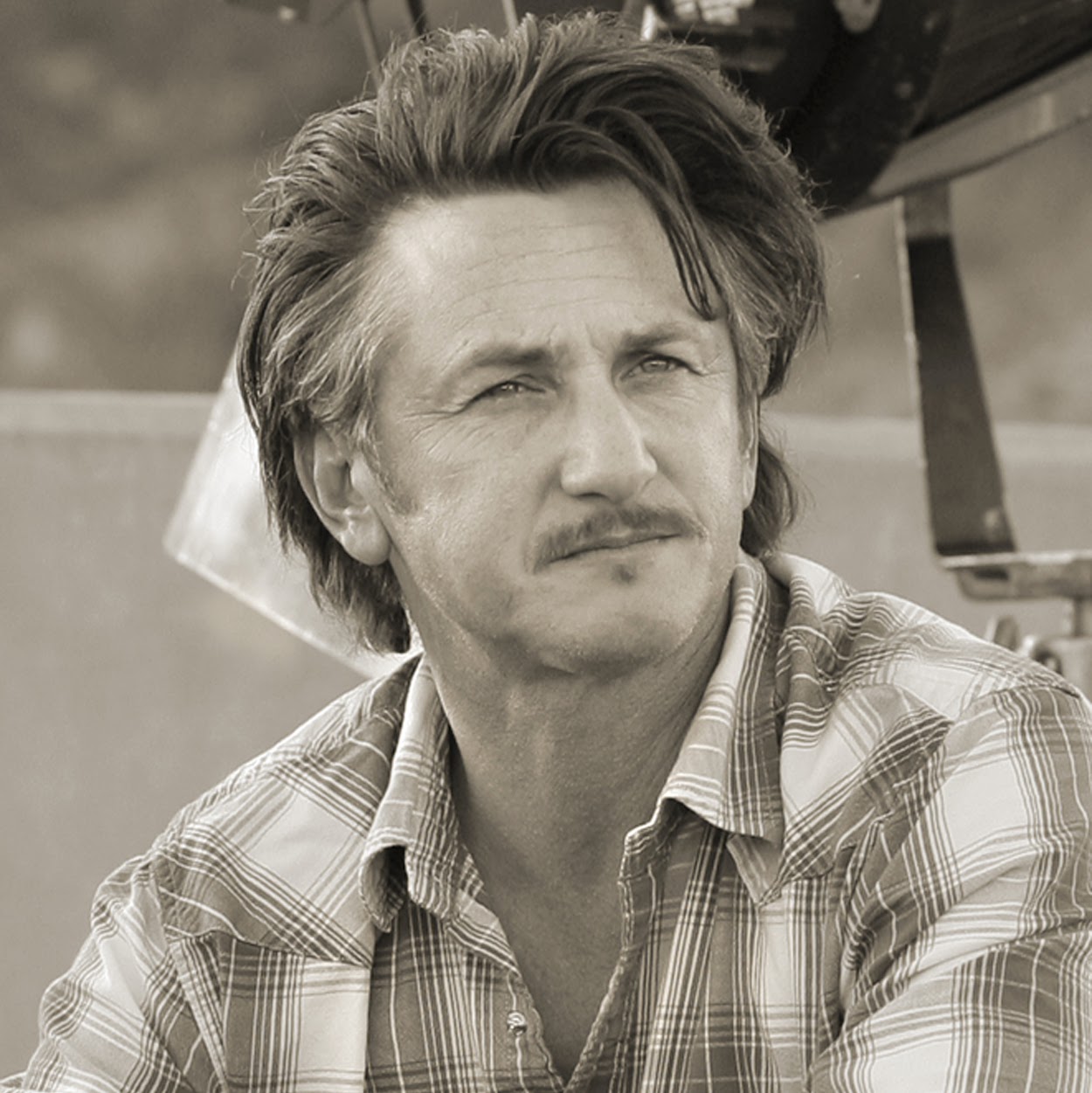
The discussion on NPR was about actor Sean Penn’s interview — published in Rolling Stone — with Joaquin “El Chapo” Guzman, the despicable drug lord who was on the lam from his escape from a Mexican prison.

This analyst seemed to make a direct comparison between El Chapo and Saddam Hussein, Osama bin Laden and Moammar Gadhafi, all of whom were interviewed by the media before they met their deaths.

Hmmm. There’s something of a difference here.

Hussein and Gadhafi were heads of state; bin Laden hadn’t been convicted of anything, even though the entire world knew of his involvement in the 9/11 terrorist attacks.

Guzman was an escapee from a maximum-security prison. Mexican authorities had been scouring the country looking for him since his escape six months ago.

Penn’s access to this individual — whose drug activities have produced so much death and misery — was a function of his own celebrity status as an Oscar-winning film actor.

I keep coming back to what I believe is a central question: Doesn’t an American citizen such as Penn have an obligation to assist authorities in their search for a notorious drug dealer?

Sen. Marco Rubio was asked over the weekend to comment on the interview. The Republican presidential candidate said Penn is entitled to his First Amendment rights, but then he used a term with which I agree.

He called the interview “grotesque.”
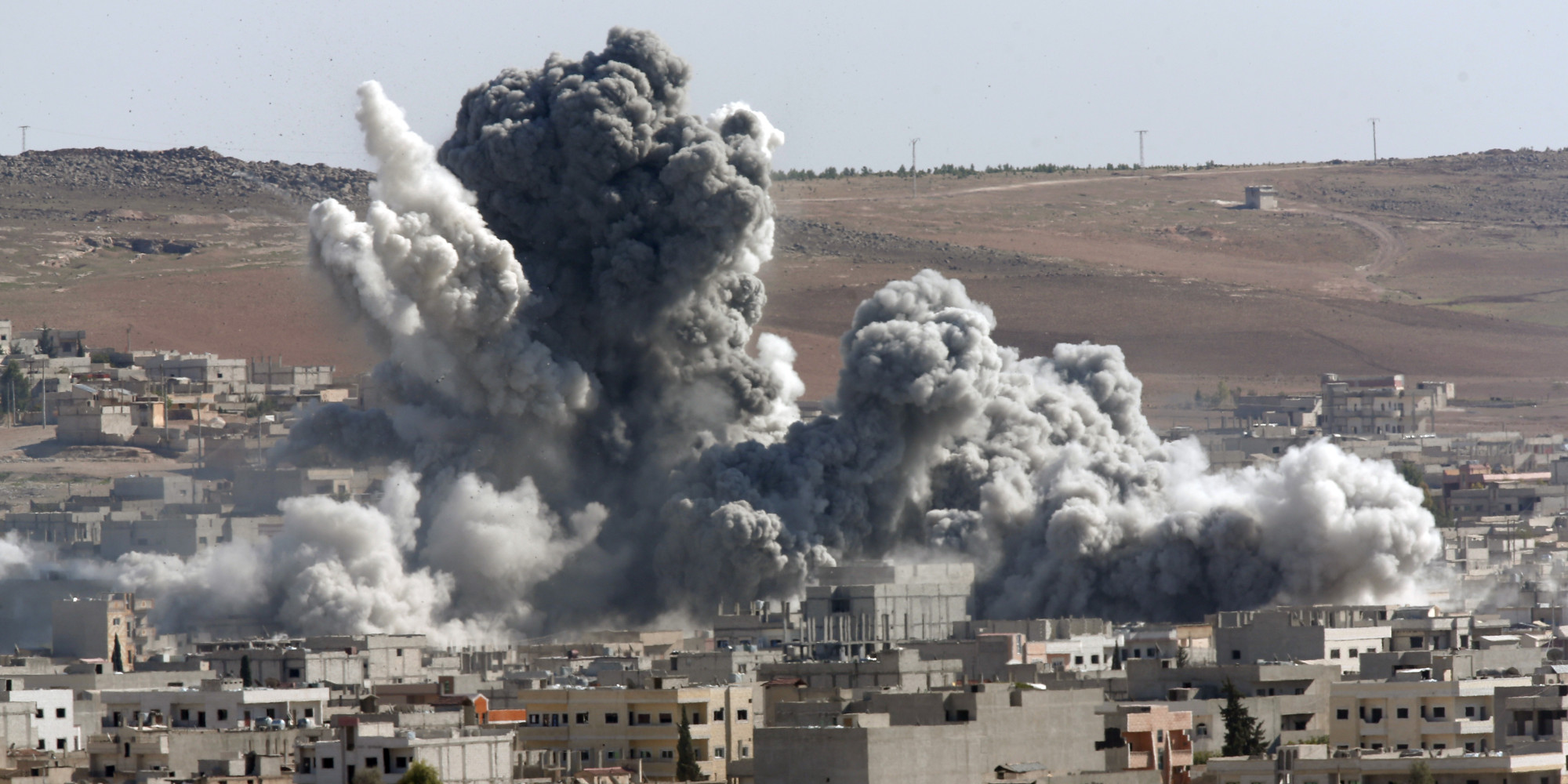
 

Time for a strategy change against ISIL, Mr. President

Thick smoke from an airstrike by the US-led coalition rises in Kobani, Syria, as seen from a hilltop on the outskirts of Suruc, at the Turkey-Syria border, Wednesday, Oct. 22, 2014. Kobani, also known as Ayn Arab, and its surrounding areas, has been under assault by extremists of the Islamic State group since mid-September and is being defended by Kurdish fighters. (AP Photo/Lefteris Pitarakis)

Michael Vickers knows a lot about terrorists and how to fight them.

He’s written an essay for Politico that lays out an interesting argument directed straight at President Barack Obama.

The thrust of his message? Change your strategy in this fight against the Islamic State and the Levant, Mr. President.

It’s interesting to me what Vickers doesn’t say. He doesn’t insist that we send in thousands of ground troops to resume our war in the region. Instead he says it’s time to focus our immense air power on Syria, where he said ISIL’s strength has gone global. The Iraq-based enemy, Vickers asserts, is more of a “local” threat. The Syrian element is much more dangerous and invasive, he writes.

Vickers worked as a Special Operations and CIA officer. He helped draft strategies for fighting the Red Army when it invaded Afghanistan in 1980. He also assisted in planning the SEAL/CIA mission that killed Osama bin Laden.

The man’s got anti-terrorism chops.

Perhaps the most provocative and dramatic element of his strategy is this: “Airstrikes are not enough, however. We must leverage the moderate Syrian opposition—and they do exist in the tens of thousands—to dislodge ISIL and Al Qaeda’s Syrian affiliate, Jabhat al-Nusra, from their territory. As we did in Afghanistan, we must support the moderate opposition with overwhelming air power, substantially increase the flow of arms to the moderate opposition, and place special operations and intelligence advisers with them. With American assistance, a much smaller insurgent force defeated the Taliban and Al Qaeda in Afghanistan. With our many Sunni partners, we can do the same in Syria.”

According to Vickers, we need to work shoulder-to-shoulder with the moderate Syrians who are fighting Bashar al-Assad and the Islamic State.

President Obama’s strategy, according to critics in both parties at home, has become too timid. Yes, we’re scoring victories here and there. We’ve managed to wipe out known terror leaders and high-profile assassins, such as Mohammad Emwazi, aka Jihadi John.

But we’ve got some help standing by, ready to assist in this aerial campaign. Russia has gotten damn angry over the bombing of that jetliner that killed 224 people; France has unleashed its significant air power in response to the recent attack in Paris.

As Vickers has said, the time has come to ratchet up the attacks not only in Syria but also in states where ISIL is known to be operating.

Listen to this man, Mr. President.


Patience is the key to eliminating these monsters

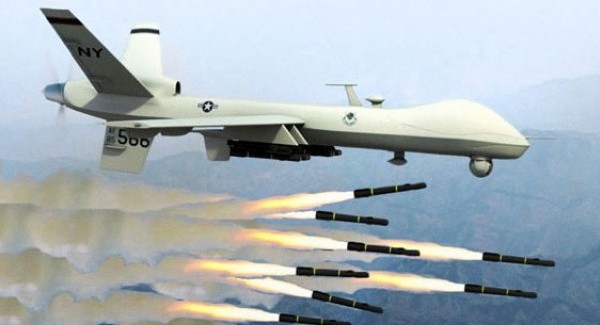
Drone-Strike

American and British intelligence officials are beginning to talk now as though they believe they have killed Mohammad Emwazi, aka Jihadi John.

The strike was quick but it was months in the planning.

It goes to show that patience is a critical ingredient in this war against terrorism and the people who commit these horrific acts.

Emwazi was a British citizen, born in Kuwait but reared in the U.K. He became a propaganda tool for the Islamic State and was video-recorded beheading captive foreigners, the first of whom was U.S. journalist James Foley.

Yes, a lot of folks demanded immediate justice. As it turned out, though, in the hunt for Osama bin Laden, these efforts require tremendous coordination, attention to the tiniest detail and absolute certainty that we’ve got the bad guy right where we want him if we intend to strike.

The hunt for bin Laden commenced right after the 9/11 attacks. The Bush administration hunted far and wide across Afghanistan and Pakistan. Bin Laden almost got it at Tora Bora, Afghanistan. He got away. President Bush left office in January 2009, handed the operation off to President Obama, who then took up where his predecessor left off.

Detailed analysis of intelligence led the Navy SEALs and CIA spooks to the Pakistan complex, where they found bin Laden — and then shot him to death.

Emwazi’s death — which is beginning to sound more certain — was delivered after tremendous effort by U.S. and British intelligence agencies and military planners from both countries.

What’s the lesson?

It’s that we cannot antsy when we don’t bring justice to these monsters right away.

Patience, folks. Patience.


Jihadi John might have been turned into a pile of ash

jihadi-john-jpg

The late, great heavyweight boxing champ Joe Louis once said of an opponent, “He can run, but he can’t hide.”

So it is with terrorists. So, indeed, it might be with a particular monster who — one can hope — has been incinerated in a drone strike in Syria.

Mohammad Emwazi has been dubbed “Jihadi John.” He’s the guy on the viral videos seen beheading captives. To say he is an evil monster is to commit a gross understatement.

A U.S. drone reportedly hit a target where it is believed Emwazi was holed up. Secretary of State John Kerry and British Prime Minister David Cameron cannot guarantee he was there.

Emwazi is — or let us hope was — a British citizen. He was born in Kuwait, moved to the U.K. as a youngster, was raised in a middle-class family, got a good education and then became a radicalized Muslim. He joined the Islamic State and became the voice of the terror organization; he hasn’t been the face, because he hides behind a mask whenever he is recorded committing those barbaric acts.

Let’s be clear on one thing. If Emwazi in fact was vaporized in that air strike, we shouldn’t high-five each other for very long. There will be others who’ll take his place. Just as others have stepped up to replace Osama bin Laden, the world is full of men with evil intent in what passes for their hearts and one of them would step into Jihadi John’s shoes.

Still, let them continue to run. They all must know they cannot hide forever.


Should the president return that Peace Prize?

barack obama

Barack H. Obama campaigned for the presidency vowing to end the wars in Iraq and Afghanistan.

His election in 2008 prompted the Nobel Committee to award him the Peace Prize the following year with the hope of a peaceful future in those two countries. The new president accepted the prize while acknowledging the unusual context in which the committee awarded it.

I never thought I’d say this, but I have to wonder if President Obama has ever considered giving the award back.

Why? Well, consider that that he vowed to end both wars. They haven’t ended. Now he’s about to commit a handful of U.S. troops into a third country to engage in the battle against the Islamic State.

Obama faces dilemma

The president recently announced that he would keep troops fighting in Afghanistan past the time he leaves office in January 2017; our commitment in Iraq remains, despite the pullout of frontline combat troops. Now this, the deployment of Special Forces to assist the Kurds fighting ISIS in northern Syria.

He took office while the country was fighting in two countries. He likely will leave office with the nation fighting in three countries.

This is not the legacy that Barack Obama ever wanted, but it’s part of the legacy he will leave the next president of the United States.

I get that circumstances have changed since he took office as the so-called “transformational” president. The Islamic State has exploded onto the scene. Syrian dictator Bashar al-Assad has brutalized and murdered hundreds of thousands of his people. The Iraqi military has fallen far short of its mission to defend the country against Islamic State murderers. The Taliban has fought back in Afghanistan.

Yes, we killed Osama bin Laden. We’ve continued to hunt down and kill terrorists all across the Middle East and South Asia. And we’ve known all along that the Global War on Terror would not end in the conventional way, with one side signing a peace treaty to end the hostilities. We are fighting an elusive and cunning enemy.

However, all that hope that Barack Obama brought to the presidency has dissipated as he heads for the final turn of his two terms in office.

I’m not going to say President Obama should give back the Nobel Peace Prize, although I wouldn’t complain out loud if he did.


Where was VPOTUS on the bin Laden raid?

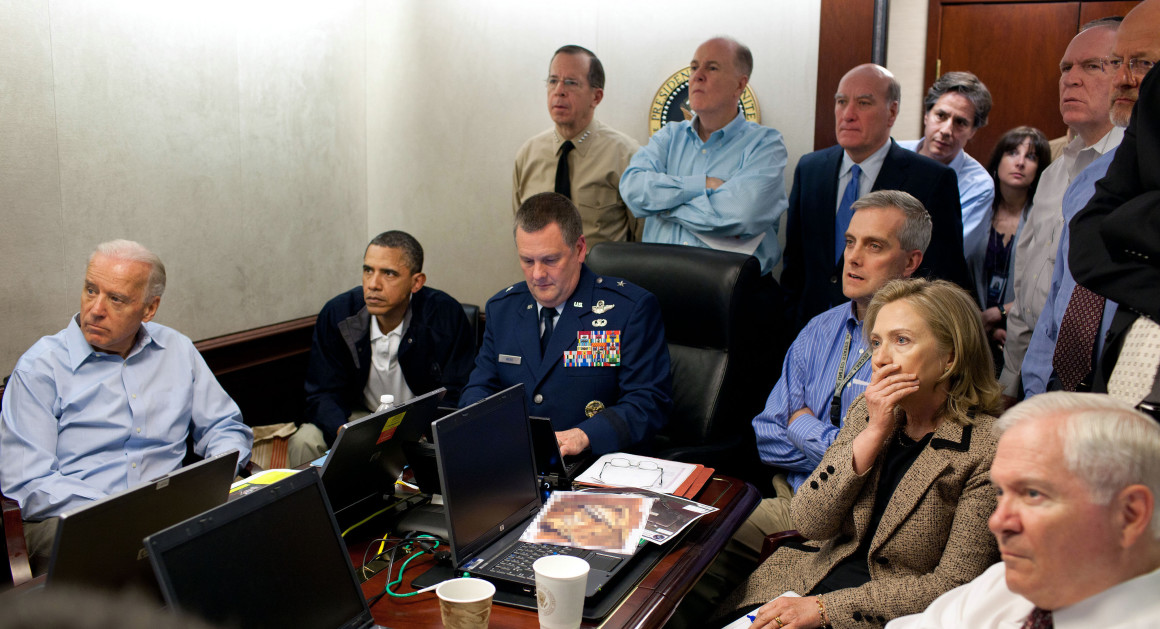
bin laden raid

Vice President Joe Biden is known for a lot of things: authenticity, verbosity, good humor, commitment to public policy.

He’s not known as a prevaricator.

Still, if the vice president is going to run for the top job — and I’m not yet convinced he’s going to do so — he’s got to clear up a serious matter.

What was his view on the raid to kill terrorist leader Osama bin Laden? Was he for it or not?

Biden is sending a mixed message regarding the bin Laden raid, which in May 2011 ended with bin Laden being shot to death by a Navy SEAL commando in Pakistan.

It’s been reported that he wanted to wait “for two more things” to occur before sending in the commandos and that he gave that advice to President Obama. Now he says he was for it all along.

I see some language-parsing on the horizon, which doesn’t answer the question about what he endorsed and when he endorsed it.

If he was in favor of the raid at the beginning, but wanted to wait for further confirmation that bin Laden was holed up in that big house in Pakistan, then it’s OK to say so.

Let’s not play games, Mr. Vice President. Give it to us straight.

Then you can let us all know whether you want to run for president.


What did the PM know about bin Laden?

Pakistani media personnel and local residents gather outside the hideout of Al-Qaeda leader Osama bin Laden following his death by US Special Forces in a ground operation in Abbottabad on May 3, 2011. The bullet-riddled Pakistani villa that hid Osama bin Laden from the world was put under police control, as media sought to glimpse the debris left by the US raid that killed him. Bin Laden's hideout had been kept under tight army control after the dramatic raid by US special forces late May 1, 2011 in the affluent suburbs of Abbottabad, a garrison city 50 kilometres (30 miles) north of Islamabad.  AFP PHOTO/ AAMIR QURESHI (Photo credit should read AAMIR QURESHI/AFP/Getty Images)

Oh, how I wish I could be a fly on one of the White House walls when Pakistani Prime Minister Nawaz Sharif comes for a visit with President Obama.

I would love to hear a conversation that goes something like this:

President Obama: Welcome, Mr. Prime Minister. But let’s get down to brass tacks, shall we? I know you weren’t in office on May 2, 2011 when our SEALs took out Osama bin Laden. But I have to ask, didn’t you get a full national security briefing from your predecessor when you took over?

Nawaz Sharif: Well, yes, Mr. President. Of course.

Obama: What did he tell you about bin Laden’s presence in Afghanistan, where our men killed him while he was hiding in plain sight in Abbottabad? Surely he knew bin Laden was there, right?

Sharif: I don’t know what you’re talking about …

Obama: Oh, stop right there. Everyone with half a brain in this country believes your government knew that bin Laden was in that large compound just a stone’s throw from that military academy. How could your intelligence folks have missed detecting his presence?

Sharif: We don’t snoop and spy on everyone and everything in our country.

Obama: Knock it off. This guy was the most wanted terrorist on the planet. The entire civilized world — and that include Pakistan — wanted him killed or captured. You operate a sophisticated intelligence network there.

Sharif: It can’t detect every person’s move.

Obama: But surely it can detect the movements of a man who stood 6 feet 5 inches tall and whose face has been plastered on TV screens around the world for a decade, ever since the 9/11 attacks.

Sharif: If you think our government knew of bin Laden’s presence, is that why you launched the raid in secret, without ever telling us you were invading our airspace?

Obama: Airspace … shmairspace, Nawaz. The bad guys invaded our airspace on 9/11 — and killed 3,000 innocent victims. Bin Laden took credit for doing that damage. Do I really care about airspace concerns? No. I wanted him dead and by God, we were intent on making sure we killed him.

Sharif: Well, back to your initial question. I wasn’t told anything about bin Laden’s presence in Pakistan. Even if I was told, I cannot disclose  national security secrets, not even to you.

***

Will this conversation occur when the Pakistani prime minister visits the White House on Oct. 22? Oh, probably not. Then again, not every conversation occurs when there’s media present.

I’m going to hope that Barack Obama presses his guest for some answers to the burning question: What did the Pakistanis know about Osama bin Laden and when did  they know it?

Pakistani PM to visit White House


Was the Carter presidency a failure?

camp david accords

Former presidents aren’t immune from criticism, even when they’re struggling against what might be a terminal illness.

Just ask Jimmy Carter.

Setting that aside, it’s been said many times — usually by Republican politicians — that President Carter’s four years in the White House constituted a “failed presidency.”

Interesting. Let’s look briefly at the record.

Yes, the economy tanked badly during Carter’s term. Why? One reason was the huge spike in oil prices. Lending institutions panicked. They jacked up interest rates way beyond what was normal or acceptable. Inflation took hold. Was all of that the president’s fault? Hardly. But it happened on his watch, so I guess he deserves some of the blame.

The president did a poor job of assuring Americans that they would be all right. He spoke glumly to us, although he never used the word “malaise.”

Foreign policy? Let’s see.

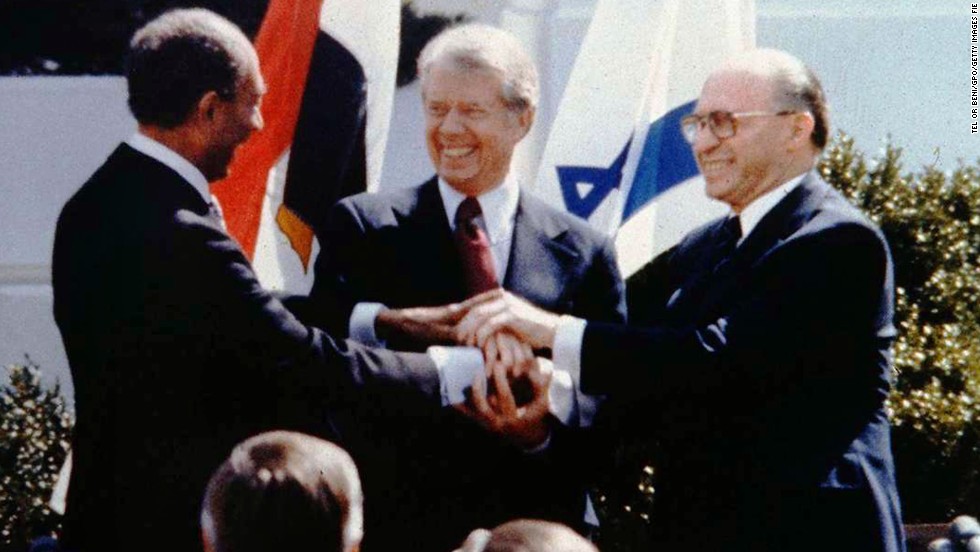
He negotiated a peace treaty in 1979 between ancient enemies Israel and Egypt. He turned them into allies. He took Israeli Prime Minister Menachem Begin and Egyptian President Anwar Sadat to Camp David, clunked their heads together and got them to sign the most important Middle East peace accord in, well, the history of the region. It has held firm to this day.

He helped negotiate a treaty that handed over the Panama Canal to the Panamanians. Imagine that: giving to a nation cut in half by a U.S.-built canal territory that belonged rightfully to its people.

The president signed a treaty with the Soviet Union that helped reduce the number of nuclear weapons in both nations’ arsenals.

Were there missteps? Sure. He didn’t handle the Mariel boatlift of Cuban refugees well. He acknowledged just recently that is one of the regrets of his presidency.

Now, the big one: the Iranian hostage crisis. Fifty-two Americans were taken captive in Tehran in November 1979. The Islamic revolution had overthrown the shah and those “students” were angry because the shah had gotten medical attention in the United States. Was that the president’s fault?

Was it his fault that the mission to rescue the hostages in April 1980 ended tragically in the desert? Just as Barack Obama’s critics have said he took too much credit for the successful mission in May 2011 to kill Osama bin Laden, Jimmy Carter took too much blame for the failure of the Desert One mission to bring our hostages home.

Let us remember, too, that they came home safely on Ronald Reagan’s first day in office. The Iranians clearly wanted to stick it to President Carter by waiting until he no longer was president to end the crisis.

Was it a troubled presidency? Certainly. A failed one? In my view, no.


Hoping that Mullah Omar is burning in hell

Can it be true?

Mullah Omar, the Taliban terrorist leader who harbored Osama bin Laden and his al-Qaeda thugs, is dead? Afghanistan officials say he’s a goner. U.S. officials aren’t confirming it — yet.

https://gma.yahoo.com/taliban-leader-mullah-omar-died-afghan-officials-105317136–abc-news-topstories.html#

There’s no word yet on the possible cause of death.

As good as the news might turn out to be, let’s not get ahead of ourselves.

As we’ve known for some time since bin Laden’s death at the hands of U.S. Navy SEALs and CIA commandos, one man’s death doesn’t mean the end of the fight against the organization he once led.

Make no mistake, though. Mullah Omar is — or was — a seriously bad actor.

The State Department had put a $10 million bounty on Mullah Omar’s head for information leading his capture.

Let’s all hope we can confirm this animal’s death so we can move on to getting rid of the individual who likely will emerge to take his place.

And, yes, even though the State Department declines to refer to the Taliban as a “terrorist organization,” the rest of the world knows better.

Drone kills another al-Qaeda leader

Before we get too excited about news regarding the death of an al-Qaeda terrorist leader, let’s ponder the obvious.

Someone else is going to emerge to take this guy’s place.

And someone will emerge once we eliminate the new terrorist leader.

It’ll go on and on and on.

http://www.foxnews.com/world/2015/06/16/us-targets-leader-al-qaeda-in-yemen-with-cia-drone-strike/

A drone strike killed Al-Qaeda in the Arabian Peninsula leader Nasir al-Wuhayshi. It’s been called the most significant death of a terrorist leader since the May 2011 commando raid killed Osama bin Laden.

That’s good news. The more leaders we kill, the fewer of them are left to take up arms against us.

Does it mean we’ve wiped out the recruiting pool? Hardly.

What we’re seeing, though, is the consequence of President George W. Bush’s declaration of war against international terrorism in the wake of the 9/11 attacks. It’s a war that will go on long after those who are reading these words are gone. It’s a war we must fight, given that the terrorists started it with their heinous attack on us in 2001.

The question remaining though is: How will we know when we’ve finished the fight?

The answer remains as elusive today as it was when this fight began.