I didn’t have any skin in that election game, but I am glad to see Amarillo public schools receive the support they got from voters.
My wife and I live in the Canyon Independent School District, so we didn’t get to vote Tuesday for Amarillo ISD’s $100 million bond issue. However, I am delighted to see that AISD is able to improve and expand educational opportunities for many of its 33,000 students.
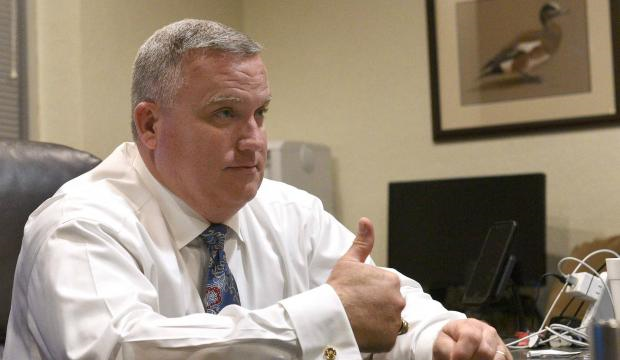
AISD board vice president F. Scott Flow (pictured) said he is “excited” about the results. Do you think?
I wouldn’t call it a sweeping mandate, given that only 9 percent of AISD’s registered voters actually cast ballots. The turnout, though, did exceed the state’s paltry 5 percent — which was less than half of the 2015 statewide constitutional amendment election.
We hear occasionally about voter stinginess. They express their dismay at local government at times by rejecting measures that ask them for more money to pay for public projects. AISD must not suffer from the reservoir of ill will that sometimes plagues local government entities.
Here, though, is the heartening aspect of what transpired with the AISD vote result. Voters have affirmed a fundamental truth about public education, which is that it doesn’t come free. There’s always a cost that taxpayers must bear.
If we’re going to demand the best for our children, then we must be prepared to dig a little deeper to pay for it. AISD officials estimate the bond issue will cost the owner of a $100,000 home about $50 more each year in property taxes.
Let’s see, that’s the cost of about 10 deluxe coffee drinks, or a carton of smokes or a tank of gasoline to fill an SUV.
What will 50 bucks a year for that 100 grand home buy? Most of the dough will improve restrooms, locker rooms, auditoriums and infrastructure throughout the school district; AISD also is planning new classrooms at four schools.
I’m just a spectator here. However, I am glad to see that AISD voters — the puny turnout numbers notwithstanding — have chosen to forgo bitterness and decided to invest in public education.