Amarillo’s history is layered with tales of the exploits of men.
They were involved with cattle, the railroad, oil and natural gas. They formed civic clubs, became active in politics and in government. They built banks and other businesses throughout the city.
It was a man’s world around Amarillo. A good ol’ boys club. Men ran the show.
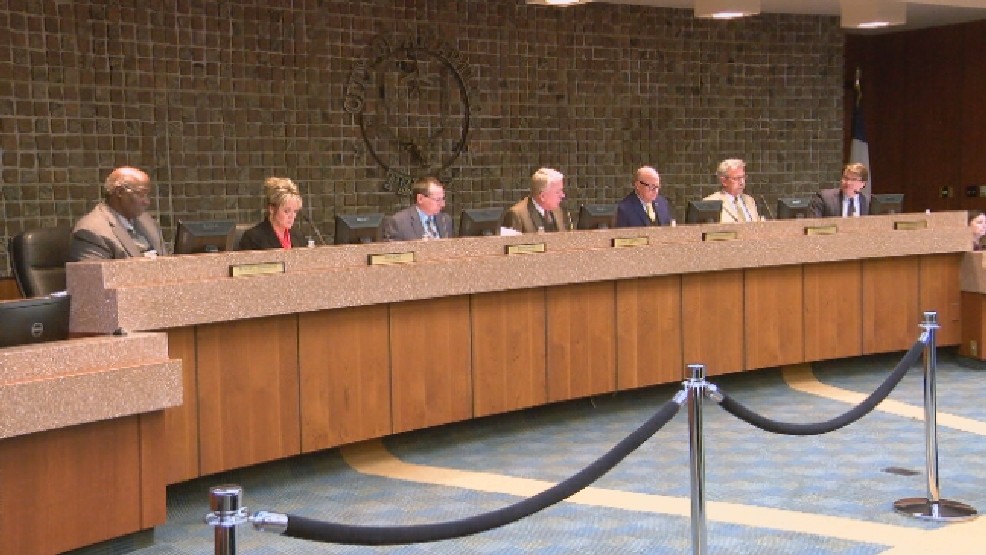
Well, an election just occurred in Amarillo and — presto! — just like that the City Council has an entirely new look. We have three women comprising a majority on the five-member governing board.
I once lamented the loss in 2015 of two women who had served on the council. They got beat by two men whose election created an all-male City Council. I wanted Ellen Robertson Green and Lilia Escajeda to be been re-elected two years ago, but then they got beat by Elisha Demerson and Randy Burkett, respectively, in the contests for Places 1 and 3.
Burkett didn’t seek a second term, and his seat will be taken by Eddy Sauer. However, Demerson lost to Elaine Hays; meanwhile, Freda Powell defeated a male candidate in the race for Place 2, which had been occupied by Lisa Blake, who decided against seeking election to the seat to which she was appointed after Brian Eades resigned from the council.
The third woman on the council is none other than the new mayor, Ginger Pearson Nelson, who defeated two opponents handily to win the right to succeed Paul Harpole, who decided to bow out after three terms as mayor.
What, precisely, does a female-majority City Council mean for Amarillo? I haven’t a clue. Indeed, the entire council has been turned over, with Howard Smith becoming the fifth member of the body after defeating incumbent Mark Nair in the race for Place 4.
It really shouldn’t matter a great deal that we have a majority City Council comprising women. Except you might recall the big deal that was made in 2007 when Debra McCartt was elected the city’s first female mayor.
She became a marvelous spokeswoman for the city and it was on her watch that the city took the bold step of installing automated surveillance equipment at troublesome intersections to catch motorists running through red lights. McCartt stood firm in her support of the red-light cameras in spite of sometimes blistering criticism that some had directed at the City Council.
There well might be some more bold initiatives undertaken by this new council. Is it an inherent fearlessness that enables female politicians to do things their male counterparts cannot do? Beats me.
I also must note as well that Potter County’s Commissioners Court is being led by the county’s first female judge, Nancy Tanner, who was elected to the post in 2014.
There simply is something appealing to me now as the city awaits the transition to this new governing council about the prospect of a female-majority body making critical policy decisions.
Take it away, ladies. I’m pulling for you.